When you’re flying (especially long-haul), your body faces a few challenges: cabin pressure, low humidity, limited movement, the food & snack options are often poor, and you may be hours away from a good meal. By packing or choosing smart snacks, you give yourself a big advantage: better energy, less hunger, less dehydration, and less bloating.
Yeah, you heard it right!
We all agree on one thing: piling more stress on your plate is the last thing you need, especially when you have to manage your entire trip itinerary. Nutritionists recommend snacks that combine protein full and stable. (patriciabannan.com)
Below is a huge list of snack ideas - many you can pack ahead of time - plus quick tips for selecting them (We at ChAIron spoke with a handful of food experts and nutritionists and curated this entire list for you).
TL;DR
- Bring your own snacks that tick 3 boxes: protein, healthy fats, and fibre. They keep you full, stabilise energy, and prevent mid-flight cravings.
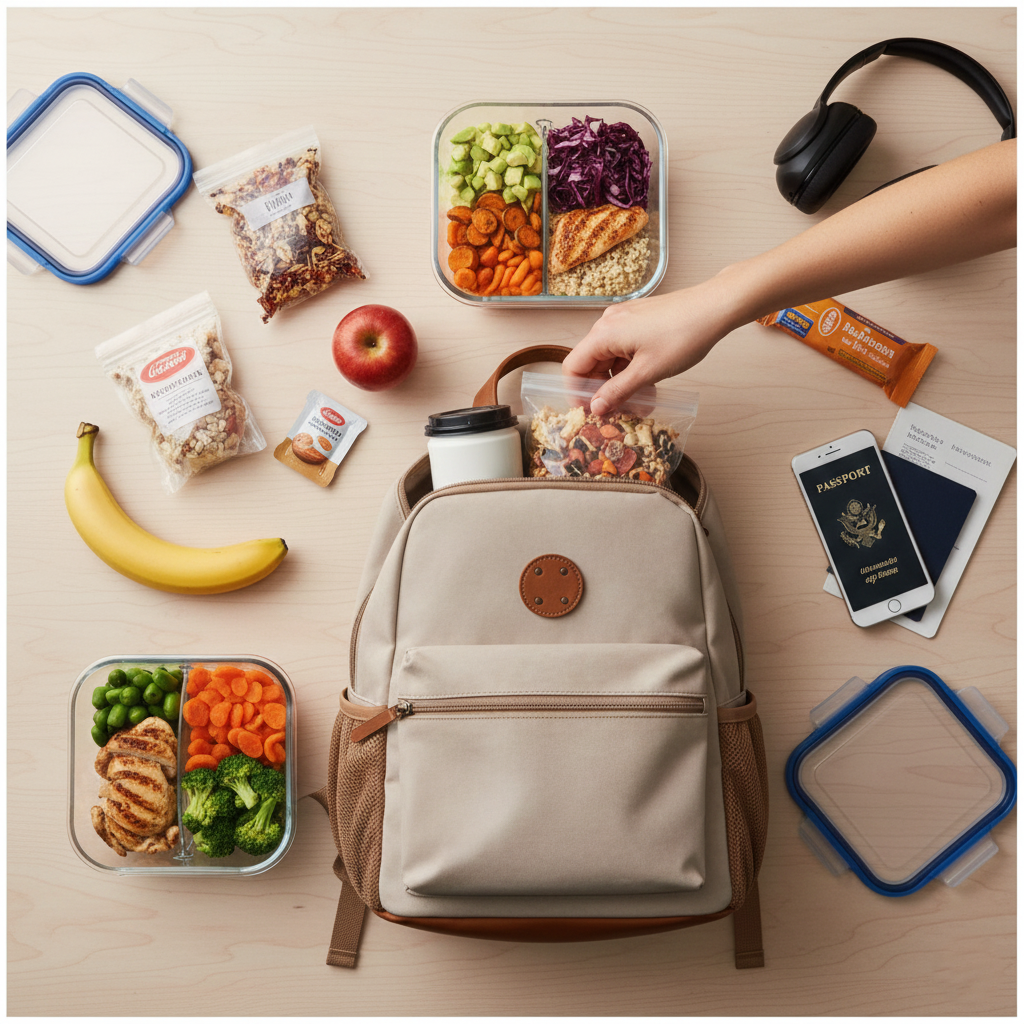
- Best snacks to pack include nuts, fruit, protein bars, Greek yogurt, veggie sticks, hummus, whole-grain crackers, boiled eggs, and mini balanced snack boxes.
- Avoid strong-smelling, messy, or high-sugar foods as they cause discomfort, energy crashes, or cabin-etiquette issues.edfvd
- If relying on in-flight meals, focus on protein + veggies first, limit sugary sides and bread, and practice portion control by saving extras for later.
- Use simple strategies (like eating slowly, choosing one carb, skipping desserts, and timing snacks well) to stay comfortable, avoid overeating, and maintain energy throughout the flight.
✅ Pre-Flight & In-Flight Snack Criteria
- Portable, non-mushy, minimal refrigeration needed (or able to go a few hours).
- Balanced: some protein, some fibre / healthy fat - helps blood sugar and hunger.
- Avoid overly salty, greasy, or very strong-smelling items (for your comfort and your fellow passengers).
- Stay hydrated! Snacks that also help water content (fruit, veggies) are a huge bonus.
🥜 Huge List of Healthy Plane Snack Options
Here are many options - choose what works for you, your flight length, and storage constraints:
Fruits & Veggies (fresh & portable)
- Whole apples, pears, bananas (firm)
- Clementines/mandarins
- Grapes or blueberries (in a sealed container)
- Cherry tomatoes, baby carrots, and cucumber slices
- Snap peas, bell-pepper strips
- Pre-cut melon (but eat soon; fruit can spoil)
- Dried fruit: apricots, mango, apple slices, raisins - easy to carry.
Nuts / Seeds / Healthy fats
- Almonds, pistachios, walnuts, cashews (single-serve bag). (marisamoore.com)
- Sunflower seeds, pumpkin seeds
- Nut butter single-serve packs (almond butter, peanut butter) - good pairing with fruit.
Legume / Crunchy / High-protein snack foods
- Roasted chickpeas, fava beans, lentils - crunchy, good protein/fibre.
- Edamame (dry roasted)
- Healthy jerky (turkey/chicken) - check sodium.
Snack bars, trail mixes & bites
- Trail mix combining dried fruit + nuts + seeds
- Granola/oat bars (choose ones with lower sugar).
- Protein bars (if you’ll be without a meal for hours).
Sandwiches/wraps / prepared items (if you bring your own)
- Whole-grain bread with sunflower seed butter or nut butter + banana slices.
- Turkey or chicken roll-ups (if safe & fresh)
- Pre-made salad bowls (no heavy dressing) - works if you have fridge access earlier.
Miscellaneous & treats that travel well
- Popcorn (lightly salted) instead of chips.
- Coconut chips
- Dark chocolate (70%+) - for a treat, but a modest portion.
✈️ Some Sample Combinations
- Apple slices + single-serve almond butter
- Baby carrots + hummus (if allowed)
- Handful of mixed nuts + dried mango
- Roasted chickpeas + grapes
- Granola bar + a banana
- Trail mix + a bottle of water
🎒 Packing & Logistics Tips
- Use resealable bags/snack containers to minimise waste and make it easy.
- Bring an empty water bottle through security and refill post-security - staying hydrated is key.
- Avoid foods that require a lot of utensils or make a mess.
- Be mindful of food restrictions: some countries/airports restrict fresh fruit or certain items.
What to Order From In-Flight Meals (When You Don’t Bring Much)
Even if you pack snacks, sometimes you’ll rely on the airline’s in-flight meal (especially on long-haul). Here are healthy choices & things to watch out for.
✅ What to aim for
- A meal with a good portion of lean protein (chicken breast, fish if fresh, tofu)
- Vegetables or salad (preferably steamed rather than over-sauced)
- Whole grains if available (brown rice, whole-wheat pasta) or lighter sides
- A small dessert or skip dessert in favour of a fruit/cheese option
- Ask for extra water, avoid too many sugary drinks
🚫 What to avoid / limit
- Very heavy, greasy or fried items (they’re harder to digest at altitude)
- Meals with extremely salty sauces can make you dehydrated and bloated
- Strong-smelling foods (fish, eggs) - courtesy to others and easier on your digestion
- Over-processed sides (high sodium, low nutrients)
Avoid things like eggs, fish, fried foods, cruciferous veggies (because they may cause more gas in the cabin) or meals laden with heavy cream.
✍️ Suggested In-Flight Selections
- Grilled chicken + mixed vegetables + quinoa or brown rice
- Tofu stir-fry with veggies and brown rice or whole-grain pasta
- Salmon or lean fish (if fresh) + salad + whole grain bread roll
- Veggie salad + legume base (chickpeas/lentils) + vinaigrette on the side
- Cheese + fruit plate (if offered) + whole-grain crackers
🕒 Timing & Portion Tips
- Try to eat early in the flight (if you’re going to sleep) rather than just before landing - so digestion is easier, and you sleep better.
- Don’t overeat just because you’re bored; mitt food accordingly.
- Pair the in-flight meal with your snack supply - e.g., have a snack beforehand so you’re not starving, then use the meal to fill you, and save a snack for later.
Meal Nutritional Information
| Meal Type |
Estimated Calories |
Estimated Protein |
Estimated Carbs |
Estimated Fat |
| Pasta with vegetable ragout + potato salad + dessert |
~ 700 kcal |
~ 18-20 g |
~ 110-120 g |
~ 35-40 g |
| Stir-fry (e.g., chow fun) + salad + cookie |
~ 560 kcal |
~ 10 g |
~ 75-80 g |
~ 25-30 g |
| Grilled chicken (or fish) + steamed veggies + rice + bread roll + dessert |
~ 600-650 kcal |
~ 25-30 g |
~ 60-70 g |
~ 20-25 g |
| Vegetarian chili + rice + salad + cookie |
~ 470-500 kcal |
~ 20-25 g |
~ 80-90 g |
~ 8-10 g |
| Breakfast wrap + fruit cup + yogurt |
~ 500-550 kcal |
~ 15‐20 g |
~ 50-55 g |
~ 20‐25 g |
| Sandwich (e.g., turkey or chicken wrap) + chips + dessert |
~ 400-500 kcal |
~ 20‐25 g |
~ 40‐45 g |
~ 15‐20 g |
| Low-calorie special meal (e.g., LCML) - lean meat + veggies + small carb |
~ ≤400 kcal |
~ 20-30 g |
~ 30-40 g |
~ 10-15 g |
| Cheese + fruit plate + bread roll + dessert |
~ 350-450 kcal |
~ 10-15 g |
~ 50-60 g |
~ 15-20 g |
| Fish (white fish) + quinoa or brown rice + steamed vegetables + roll + fruit |
~ 550-600 kcal |
~ 25-30 g |
~ 50-60 g |
~ 20‐22 g |
| Beef or red-meat main + potato + bread roll + dessert |
~ 650-750 kcal |
~ 30‐35 g |
~ 70‐80 g |
~ 30‐35 g |
Other nutrition considerations:
- The average airline meal contains more than ~800 mg of sodium, which is more than ~40% of the daily limit of 2,000 mg set by WHO.
- Snap Calorie says that one generic “airline meal” entry logged ~ 405 kcal for 1 cup (236 g) with ~ 20.3 g protein, ~16.9 g fat, ~54.1 g carbs, ~810 mg sodium
How to control yourself when faced with the full in-flight “tray”
When you get the full plate (salad, bread roll, main course, dessert), it’s all too easy to eat everything simply because it’s there. Here’s a smarter approach.
Step-by-step tips
- Start with water and salad - As soon as the tray comes, drink a glass of water (or ask for one). Then focus on the salad before the bread roll or main. Vegetables help you feel fuller, slow down digestion, and reduce the tendency to overeat the main.
- Portion the bread roll - Instead of eating the whole roll, consider eating half now and saving half for later (if you’re still hungry) or sharing it. Bread is easy, “free” carbs that add up quickly.
- Mindful pause before the main course - When the main comes, take 2-3 minutes, check in with yourself: “Am I hungry or just eating because it’s in front of me?” If you feel “moderately hungry”, proceed; if not, pause.
- Eat the main consciously - Focus on the lean protein and vegetables first; leave heavier carbohydrates or sauces for later. Try to finish the protein + veggie portion, then assess how you feel.
- Dessert discipline - Dessert is often the “excess calories” part. Option: either skip dessert entirely, share it with your neighbour, or save it for later (if you won’t have other food for a while).
- Hydrate continuously - Because flights are dehydrating and air pressure dulls taste (you might eat more to compensate).
- Move when you can - Even periodic standing, walking to the lavatory, and light stretching help with digestion and avoiding the slump.
- Bring a supplementary healthy snack - If you bring your own smaller snack (like in our previous list), you can allow yourself half the in-flight tray and later have your snack if you’re still hungry - balancing control and satisfaction.
Example scenario
- Tray arrives: salad (greens + vinaigrette), bread roll, main (grilled chicken + veggies + rice), dessert (fruit cup + small cake).
- You: Drink water → eat almost all of salad (skip heavy dressing) → eat half the bread roll now (save rest or skip) → main: eat all chicken, full portion of veggies, half the rice (or less) → dessert: have the fruit cup, skip or share the cake.
- Outcome: You’ve eaten the satisfying parts (protein + veggies) and significantly reduced the extra carbs + dessert calories.
Frequently Asked Questions
- What are the healthiest snacks to bring on a plane?
Healthy plane snacks include protein + fiber combos such as nuts, seeds, Greek yogurt, hummus with veggies, protein bars, hard-boiled eggs, fresh fruit (like apples or clementines), and whole-grain crackers. These keep you full without causing energy crashes.
- Why should I avoid high-sodium or ultra-processed snacks when flying?
High sodium can worsen dehydration during flights (plane cabin humidity is extremely low), and ultra-processed snacks spike blood sugar, leading to mid-flight fatigue and cravings. Choosing whole foods helps you feel more stable and energized.
- Can I bring homemade snacks through airport security?
Yes, solid foods are allowed. Items like sandwiches, wraps, nuts, fruits, and baked goods are fine. Liquids or gels over 100 ml (like yogurt cups, dips, or soups) are not allowed in carry-on bags.
- What should I snack on if I’m prone to bloating on planes?
Choose low-bloat foods such as bananas, berries, nuts, rice cakes, boiled eggs, and plain crackers. Avoid carbonated drinks, beans, onions, and overly salty snacks.
- What’s the healthiest choice from in-flight meals?
Opt for:
- lean protein (chicken, fish, tofu)
- veggies or salads
- whole grains if available
- How often should I eat during a long flight?
Every 3–4 hours is ideal. Light, balanced snacks help maintain energy without overeating or disrupting digestion in the low-humidity, pressurized cabin.
- Are protein bars good for flying?
Yes, if you choose bars with 10–20g protein, low added sugar, and minimal artificial ingredients. They’re convenient, non-messy, and filling.
- Is fruit allowed on international flights?
You can bring fruit on board, but you must eat it before landing in most countries. Customs often prohibit bringing fresh produce through arrivals.

.png)
.png)