December 30, 2025

With the advent of every new year comes a handful of new year fitness resolutions, like,
“New Year. New Me”
“Yes, I am going to kickstart my weight loss journey again”
“I am going to go to the gym regularly from January 1st onwards.”
If you are one of us, you know how the drill goes 😛
New Year's weight-loss resolutions are mocked every January. Gyms fill up. By February, they're empty again.
But that doesn't mean the resolution itself is dumb.
The problem isn't wanting to lose weight in January. It's how most people go about it.

The main reason why your resolutions fail? Your goals are too vague.
"Lose weight" or "get healthy" sounds good. But what does it actually mean? Without specifics, you're just hoping something changes.
The plans are too extreme: Cutting out all carbs and working out every single day and eating 1,200 calories when you've been eating 3,000.
Your body and brain rebel against that. Fast.
There's no room for mistakes
One slip, say, a chilled coke, a slice of pizza, or a skipped workout and people think they've failed.
So they quit entirely.
That's the "never drink again" problem. One beer and the whole resolution feels broken.
No one's paying attention except the scale. The scale doesn't move for two weeks. Motivation dies.
Even though other things are changing: energy, sleep, and how your clothes fit.
Progress is just not in scales (although it feels good to see your scales dipping, but that’s for later).
Not "lose weight." Try "lose 10 pounds in 3 months" or "walk 3 times a week for 20 minutes."
Specific goals give you something to track. Small goals don't overwhelm you. Start with $100 saved per month, not $1,000. Ten push-ups after brushing your teeth, not an hour at the gym.
Easy. Doable. Trackable.
That’s the goal! Why not larger ones?
Sure, but there’s a scientific reason behind these small goals. When you successfully hit a target, even a small one, your body releases endorphins. These endorphins will make you feel happier, satisfied and give you the necessary motivation to hit the next one.
And bam! Without realising, you will be on your way to ace your bigger goals 🙂

Instead of "lose 30 pounds," try "feel more energized in my body" or "move without getting winded."
This shifts focus from a number to an experience. Numbers can lie. How you feel doesn't.
Drop words like "always" or "never." They turn one mistake into total failure.
"I'll always run on Wednesdays" breaks the first time you don't. "I'm never drinking again" collapses after one beer.
Try "I want to move more" or "I'm learning what works for me." That gives you room to adjust without quitting.
Everyone prepares for their best self. Meal prepped. Motivated. Energized.
Great!
But what about your worst days? Days when you're tired? Stressed? Hungry and standing in front of the fridge at 9 PM?
Plan for that version of you, too. Have easy meals ready. Know what you'll do instead of emotional eating: walk, call a friend, drink water and wait 10 minutes.
Accept that slip-ups will happen. They don't mean you failed. One missed workout isn't the end.
The goal isn't perfection. It's not turning one bad choice into quitting entirely.
When you mess up, ask yourself why instead of beating yourself up. Were you tired? Hungry? Overwhelmed?
Figure it out. Adjust.
And don't wait until Monday or next month to start again. Every day is a reset.
Link the new thing to something you already do every day. After you brush your teeth, do 10 squats. After you pour your coffee, drink a glass of water. After you get home from work, change into workout clothes.
This makes the new habit automatic instead of something you have to remember.
Weight fluctuates daily due to water, hormones, and digestion. It's not the whole picture.
Also track:
These show fat loss even when the scale doesn't move.
Eighty percent of what you eat should be nutrient-dense: vegetables, protein, whole grains, and healthy fats. Twenty percent can be whatever you want. Pizza. Chocolate. Wine.
This keeps you from feeling deprived. Deprivation leads to bingeing. Bingeing leads to guilt. Guilt leads to quitting.
You get the circle, now?
We have all heard of success stories and seen them in many weight-loss communities.
Sounds incredible, right?
But they didn't do it perfectly. They had bad weeks. They skipped workouts. They ate too much at the holidays.
They just kept going.
Research shows repeated attempts increase your odds of success. Each "failure" is actually practice. You learn what works and what doesn't.
That older lady who just started running in January? She might still be running next December. You don't know yet.
Do both. But consistency matters more than intensity.
Accountability makes a massive difference.
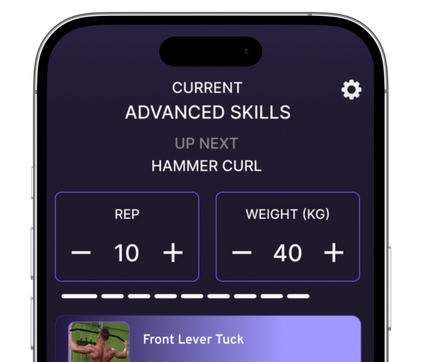
If you still can’t find out how to lose weight or stick to your new year resolutions, try ChAIron.
ChAIron delivers AI-powered coaching that adapts weekly to your strength, recovery, and goals, whether you're losing weight or building muscle. It analyzes your form 30 times per second with real-time feedback, helping users drop 15+ pounds through personalized conditioning, running, and strength plans that evolve with your progress.
You will have them. Everyone does. The key is treating them as data, not disasters.
You ate a whole pizza on Friday? Okay. But analyze the why! Were you stressed? Tired? Didn't eat enough earlier?
Figure it out. Adjust. Start fresh on Saturday morning. Every day is a reset. You don't have to wait until Monday or next month.
Don't try to overhaul your entire life in January. Pick 2-3 changes max. Master those. Then add more.
List your goals: lose weight, quit drinking, start running, do meal prep, sleep 8 hours, and read more. But don’t try to crush them all at once. It is a setup for failure.
Yes, gyms get crowded in January. Veterans complain about wait times for equipment.
But most still tip their hat to the people starting. Because everyone was a beginner once.
And that 3-5 pounds you gain every year without noticing? It compounds. Ten years later, you're 30-50 pounds heavier and wondering how it happened.
A New Year's resolution stops that creep before it becomes a crisis.
Q: How do I set realistic goals for my New Year's weight loss resolution?
A: Aim for 1-2 pounds per week by focusing on sustainable changes like adding veggies to meals or walking daily, rather than extreme diets. Track progress with apps to stay motivated without burnout.
Q: Why do most New Year's weight loss resolutions fail?
A: Overly ambitious goals lead to early dropout, with 80-91% failing by February due to a lack of small, habit-based steps. Success comes from gradual shifts, such as reducing fast food to one day a week.
Q: What changes help stick to a weight loss resolution?
A: Swap soda for water, build balanced plates with protein and fiber, and exercise 20-30 minutes most days. Use the 80-20 rule: 80% nutrient-dense foods, 20% flexible treats.
Q: Should I use a fitness app for my resolution?
A: Yes, fitness apps like ChAIron make consistency easier. Pair them with your own goals for better results.
Q: How do I recover from setbacks in my resolution?
A: View slips as normal, refocus on your "why" like better health, and adjust with accountability from friends or apps. Monthly check-ins keep you on track year-round.
Wanting to lose weight in January is brilliant timing: new year, fresh start, clear calendar.
Set a specific goal. Start small. Plan for bad days. Track more than the scale. Allow yourself to be imperfect.
And when you mess up, because you will, just start again the next day.
That's how resolutions actually stick.
.png)
.png)