January 20, 2026
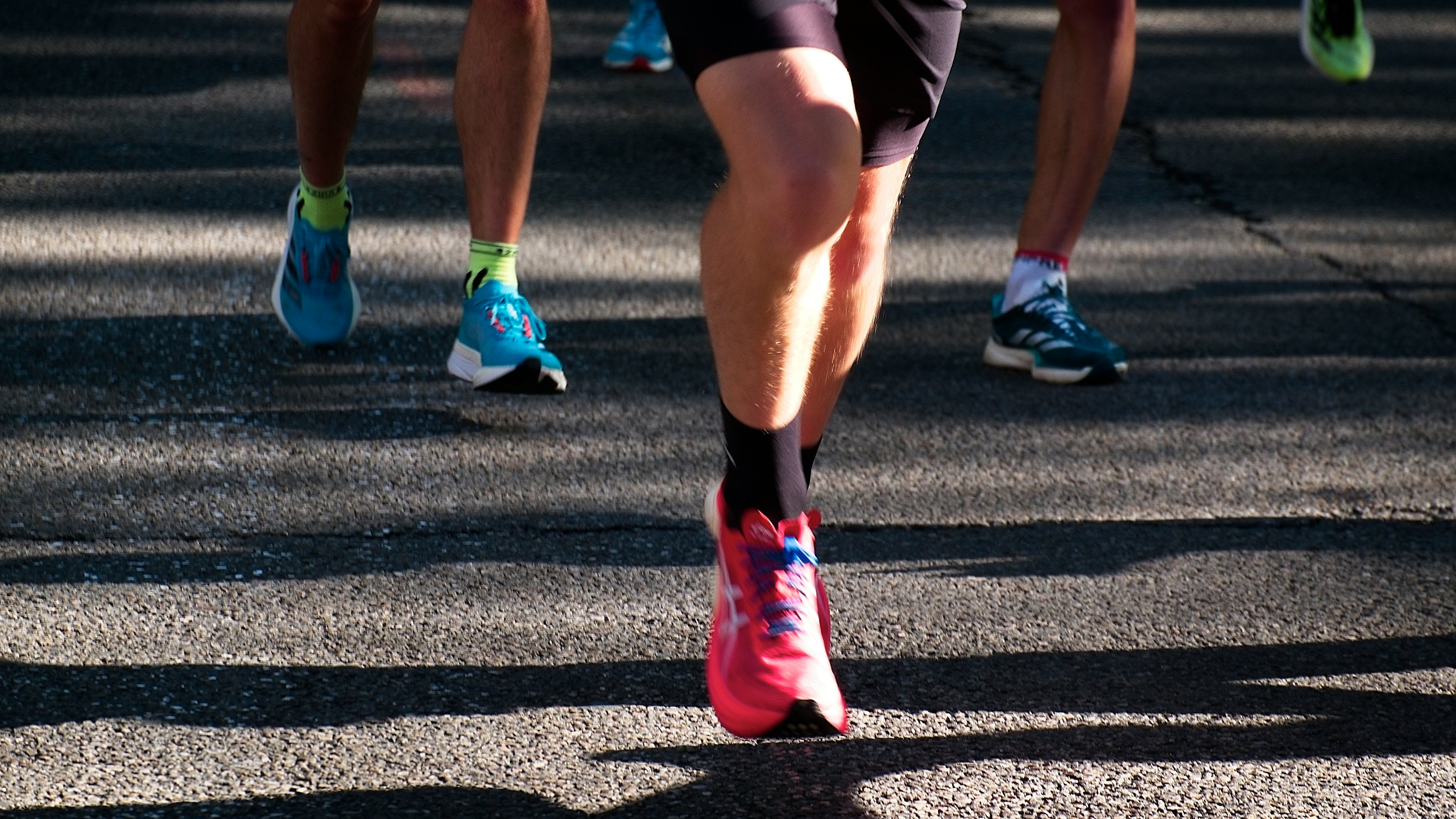
You finish your run. Your legs feel like concrete. Walking down stairs the next day? Forget it. Your calf muscles are screaming, your hip flexors are tight, and you're wondering if this constant soreness is just part of being a runner.
Here's the truth: sore legs and heavy legs after running are normal responses to training stress. But there's a difference between productive muscle soreness that signals adaptation and muscle stiffness that indicates inadequate recovery.
The best recovery for legs after running isn't complicated. It's a combination of understanding what your body needs, implementing simple post run recovery habits, and knowing when to push through versus when to rest.
This guide breaks down why your legs get sore, what actually speeds up muscle recovery, and gives you a practical step-by-step routine to reduce tired legs and get back to training faster.

Understanding what happens to your leg muscles during running helps you recover smarter.
Every time you run, you create microscopic tears in muscle fibers, especially in your calf muscles, quads, hamstrings, and glutes. This muscle damage is normal and necessary for adaptation. Your body repairs these tears, building back stronger.
Within 24-48 hours, you experience delayed onset muscle soreness (DOMS), that stiff, achy feeling in your legs. DOMS peaks 48-72 hours post-run and gradually subsides. It's your body's recovery process in action.
Running depletes energy stores (glycogen) and causes muscle fatigue. Long runs or endurance training can leave leg muscles feeling weak and heavy. Tight muscles, especially in hip flexors and calves, result from repetitive contraction without adequate stretching or mobility work.
Increasing mileage too quickly, running on hard surfaces, or poor running form overload specific leg muscles, leading to persistent muscle stiffness or overuse injury like shin splints or hip pain. This is why recovery is as important as the training itself.
The best recovery for legs after running is built on these pillars:
Active recovery increases blood flow to tired legs, delivering oxygen and nutrients while removing metabolic waste. Light movement speeds muscle repair better than complete rest.
Addressing tight muscles through stretching and foam rolling reduces muscle stiffness and improves range of motion in hip flexors, calves, and hamstrings.
Muscle recovery requires protein for repair and carbohydrates to replenish energy stores. Inadequate nutrition extends recovery time.
Most muscle repair happens during deep sleep. Runners need 7-9 hours per night, especially during heavy training blocks.
Here's the practical post run recovery routine to implement after every run.
Cool down walk: 5-10 minutes of easy walking prevents blood pooling in legs and starts the recovery process.
Hydrate: Drink 16-24 oz of water or electrolyte drink to replace fluid lost through sweat.
Fuel: Eat protein + carbs within 30-60 minutes (chocolate milk, protein shake, banana with peanut butter).
Foam rolling (5-10 minutes):
Static stretching (5-10 minutes):
Why it works: Foam rolling and stretching address muscle stiffness, improve flexibility, and reduce soreness in leg muscles.
Active recovery means low-intensity movement that increases blood flow without adding training stress.
Best active recovery options:
Why it works: Active recovery delivers nutrients to sore muscles and speeds muscle recovery better than complete rest. It's especially effective for heavy legs after long runs.
When to skip active recovery: If you have sharp pain, significant swelling, or suspect running injury like shin splints or pulled muscle, opt for passive recovery (complete rest) instead.
Strength training isn't just for getting stronger, it's one of the best tools for preventing running injury and overuse injury.
Running is repetitive forward motion. Without lateral strength, hip stability, and balanced muscle development, certain leg muscles become overworked while others remain weak. This imbalance leads to overuse injury like shin splints, IT band syndrome, or hip pain.
Strength training 2-3 times per week:
Lower body strength:
Hip and glute activation:
Core stability:
When to strength train: On easy run days or rest days, not after hard workouts or long runs when legs need recovery.
Sore legs and muscle soreness are expected after:
Typical DOMS:
Consult a physical therapist or sports medicine professional if you experience:
The best recovery for legs after running adapts to what you just did.
After easy runs (3-5 miles, conversational pace):
After hard workouts (intervals, tempo, hills):
After long runs (10+ miles):
Weekly structure:
.png)
ChAIron's AI coaching doesn't just plan your runs, it plans your recovery strategy too.
Train harder, recover smarter, and keep your legs healthy with AI coaching that adapts to how your body actually responds to training.
Most runners recover within 24–72 hours, depending on distance, intensity, and fitness level. Easy runs often need just a day, while long runs or hard workouts may require two to three days for full muscle repair. If soreness lasts longer than a week, it may signal overtraining or injury.
The fastest relief comes from gentle movement, hydration, and refueling with protein and carbs within an hour of finishing your run. Light walking, foam rolling, and stretching improve blood flow and help flush out muscle waste products. Quality sleep also plays a major role in speeding up recovery.
For normal soreness, active recovery is better than complete rest. Easy walking, cycling, or light jogging increases circulation and helps muscles heal faster without adding stress. Full rest is best when soreness turns into sharp pain, swelling, or joint discomfort.
Strength training works best on easy run days or separate rest days, not right after hard workouts or long runs. This gives your legs time to recover while still building resilience and injury resistance. Most runners benefit from 1–2 strength sessions per week.
Normal soreness affects both legs evenly, improves as you warm up, and fades within a few days. An injury usually causes sharp, localized pain, swelling, or discomfort that gets worse while running. If pain lasts longer than a week or changes your stride, it’s time to see a professional.
.png)
.png)