December 26, 2025

You got up this morning with the familiar feeling—sluggish, a little guilty, perhaps a little bloated. The dessert marathon that you did yesterday sounded delicious at that time, but now you have to face the consequences. The first thought that will cross your mind will be to starve, do an extreme workout, or avoid carbs forever.
This is what you actually need to hear: a single day of excessive sugar consumption does not ruin your progress. What you do next is a lot more important than what you did yesterday. Let's talk about the smart, sustainable way to reset without restriction, punishment, or unnecessary drama.
Before we get into your recovery plan, let’s address the elephant in the room: that guilt that is keeping you down at the moment. Your body is remarkably resilient. Yesterday’s sugar overload caused some temporary metabolic effects: increased blood glucose, insulin spike, and perhaps a bit of inflammation, but those are short-term effects, not permanent damage. Just consider it as your body's check engine light flashing a few times and then resetting itself.
When you eat excess sugar, your body releases insulin to shuttle glucose into cells for energy or storage. Some got stored as glycogen in muscles and the liver. The rest might have been converted to fat, but we're talking about a single day here—not weeks of unreasonable sugar consumption.
Your blood sugar spiked and then crashed, and that is why you felt so groggy and irritable this morning. You might be retaining some extra water since high-carb intake causes temporary water retention (about 3-4 grams of water for every gram of glycogen storage).
The Bottom Line: None of this is permanent, irreversible, or catastrophic. It’s not that you’re in a metabolic breakdown or that you have ruined your progress. It’s just a transient metabolic adjustment, which will normalize itself in 24-48 hrs with the right approach.
Forget punishment. Your body needs to be supported, not restrained. The following is your priority list for today’s nutrition recovery strategy.
Protein is your secret weapon for keeping the blood sugar levels steady and reducing cravings throughout the day.
Why Protein Matters Now:
Practical Targets:
Starting your day with a protein-rich breakfast is the key to maintaining a steady blood sugar level throughout your day. Keep out the cereal or pastries today—those will put you right back on the blood sugar rollercoaster.
Fiber acts as a metabolic broom that sweeps out any unwanted sugar and makes your digestive system stable.
Fiber-Rich Foods to Emphasize:
Aim for 35-40 grams of fiber today. This not only helps in controlling the blood sugar levels but also healthy gut bacteria that might have been derailed due to yesterday’s sugar overload.
Water doesn't just quench thirst—it actively helps in flushing the excess sugar through your kidneys and decreases the water retention caused by the consumption of high-carb foods.
Hydration Strategy:
Proper hydration also helps eliminate false signals of hunger that your brain may be sending following yesterday's sugar chaos.
Pro tip: If you’re following a structured endurance goal, like preparing for a half marathon, the day after a high-sugar intake shouldn’t be about punishment or restriction. It’s about getting back to balance so your training doesn’t suffer.
A smart training plan already accounts for recovery, fueling, and consistency.
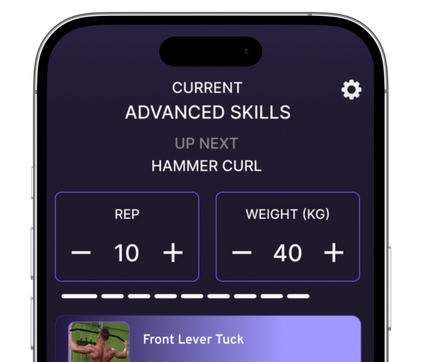
Programs like Chairon’s half marathon training plan are designed to help you stay on track even when nutrition isn’t perfect, by guiding intensity, recovery days, and overall load so one off day doesn’t derail your progress.
Fats slow down digestion and help keep you satisfied between meals, so you are not snacking on every menu after binge eating on sugar.
Smart Fat Sources:
Fats also support hormone production and help your body absorb all those fat-soluble vitamins that you are consuming today from all those vegetables.
Your good-intentioned brain may be screaming at you to take things to the extreme. Resist these impulses, which are so common and yet unproductive:
Not eating breakfast or living on lettuce all day will backfire spectacularly. Extreme calorie restriction triggers:
You can't "make up" yesterday's calories by starving today. That's not how metabolism works.
Extreme elimination diets, juice cleanses, and sugar detox teas are just marketing gimmicks, not science. Your liver and kidneys already purify your body well enough; they do not require $60 worth of celery juice to do it.
The urge to burn yesterday’s sugar through a savage two-hour exercise is agreeable but misguided. Overtraining on an already metabolically stressed body can:
Normal movement works. Punishment cardio is not.
Going zero-carb today seems to be logical, yet it is not necessary, as it will only result in more cravings. Your body, however, does require good carbohydrates; you just have to consume complex carbohydrates with protein and fiber, not refined sugars. Extreme carb restriction never works.
One high-sugar day doesn’t require extreme fixes, it requires consistency. Whether your goal is fat loss, better energy, or endurance performance, following a structured plan makes it easier to recover and move forward.
If you’re training for a race, Chairon’s half marathon training plan helps you balance fueling, training stress, and recovery so you can keep progressing without overcorrecting.
Moving Forward: Breaking the Cycle
Your relationship with food is more important than a single meal plan.
The 80/20 principle: If you eat well 80% of the time, the other 20% has a lesser impact on your overall health. Yesterday was part of your 20%. Today is part of your 80%. That's sustainable and normal.
Remember, your metabolism is resilient, adaptive, and incredibly forgiving. A single day of overindulgence doesn't require a week of restriction. It takes a day of deliberate, compassionate decisions through a mindful sugar detox methodology. You've got this.
.png)
.png)