December 26, 2025
.jpg)
Building upper body strength doesn't have to be intimidating. Whether you're just starting your fitness journey or getting back into strength training after a break, this beginner-friendly upper-body workout for women is designed to help you build a strong upper body with simple, effective movements that work in both home and gym settings.
Upper body strength training offers benefits that extend far beyond aesthetics. A strong upper body improves your ability to perform everyday tasks like carrying groceries, lifting objects overhead, and maintaining good posture throughout the day. While many women focus primarily on lower-body workouts, neglecting upper-body exercises means missing out on increased muscle mass, improved core strength, and better overall functional fitness.
Strength training for your upper body also helps prevent muscle imbalances, supports bone health, and boosts metabolism. Plus, there's something incredibly empowering about watching yourself lift heavier weights each week and mastering new movement patterns.
This workout routine features six fundamental upper body exercises that target all the major muscle groups in your chest, shoulders, arms, and back. Each exercise has been chosen for its effectiveness and accessibility to beginners.
.gif)
Push-ups are one of the most effective bodyweight exercises you can do, targeting your chest muscles, shoulders, and triceps while engaging your core muscles for stability. This compound movement builds functional strength that translates directly to daily activities.
If traditional push-ups feel too challenging right now, start with an incline variation on a bench, sturdy chair, or even against a wall.
As you get stronger with this upper body exercise, gradually lower the incline until you can perform push-ups on the floor. This progression is key to building muscle and strength safely.
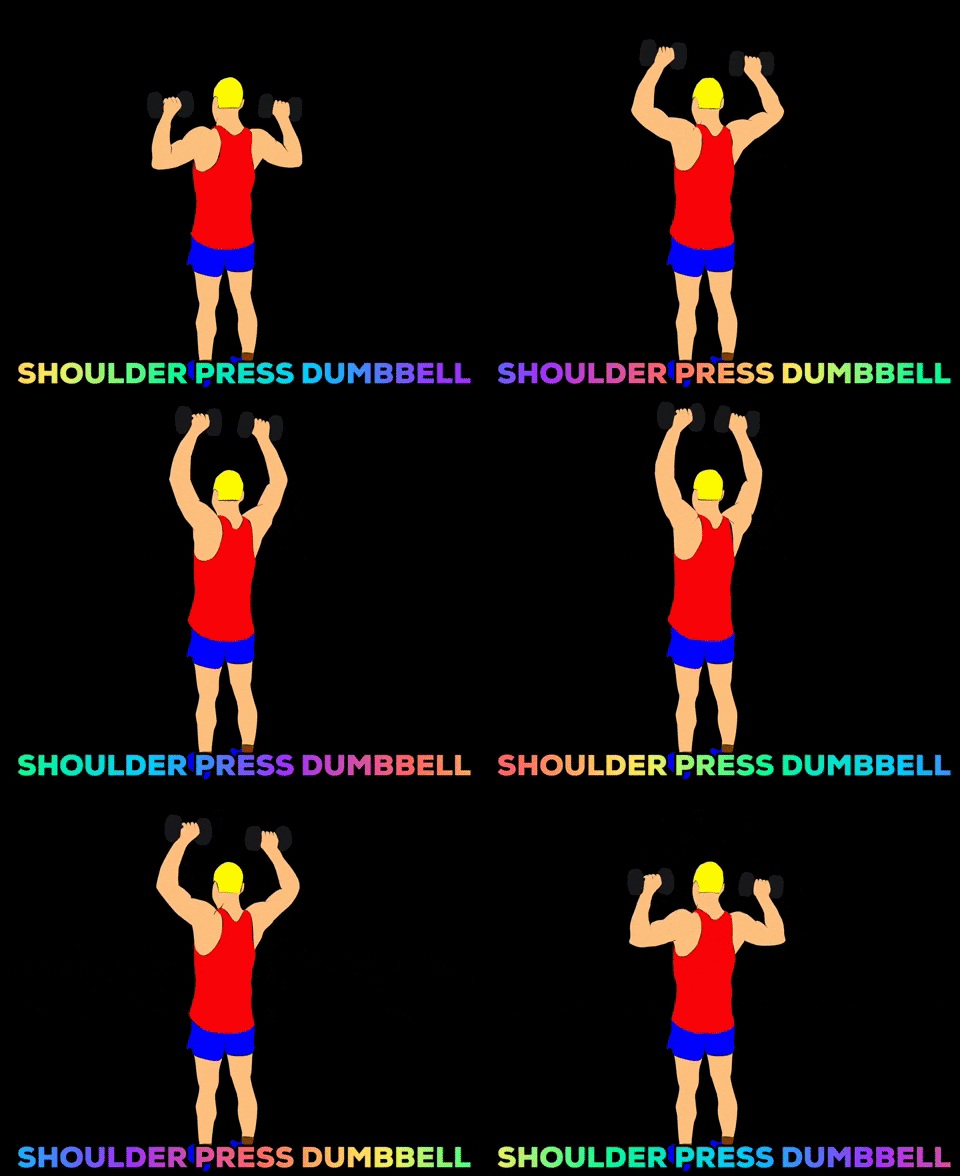
This essential arm workout builds powerful shoulder muscles and triceps while improving your pressing strength and posture. The seated position provides stability and helps you focus on proper form.
Start with a lighter weight to master the form before progressing to lifting heavier weights. This is one of the most effective upper body exercises for building strong, sculpted shoulders.
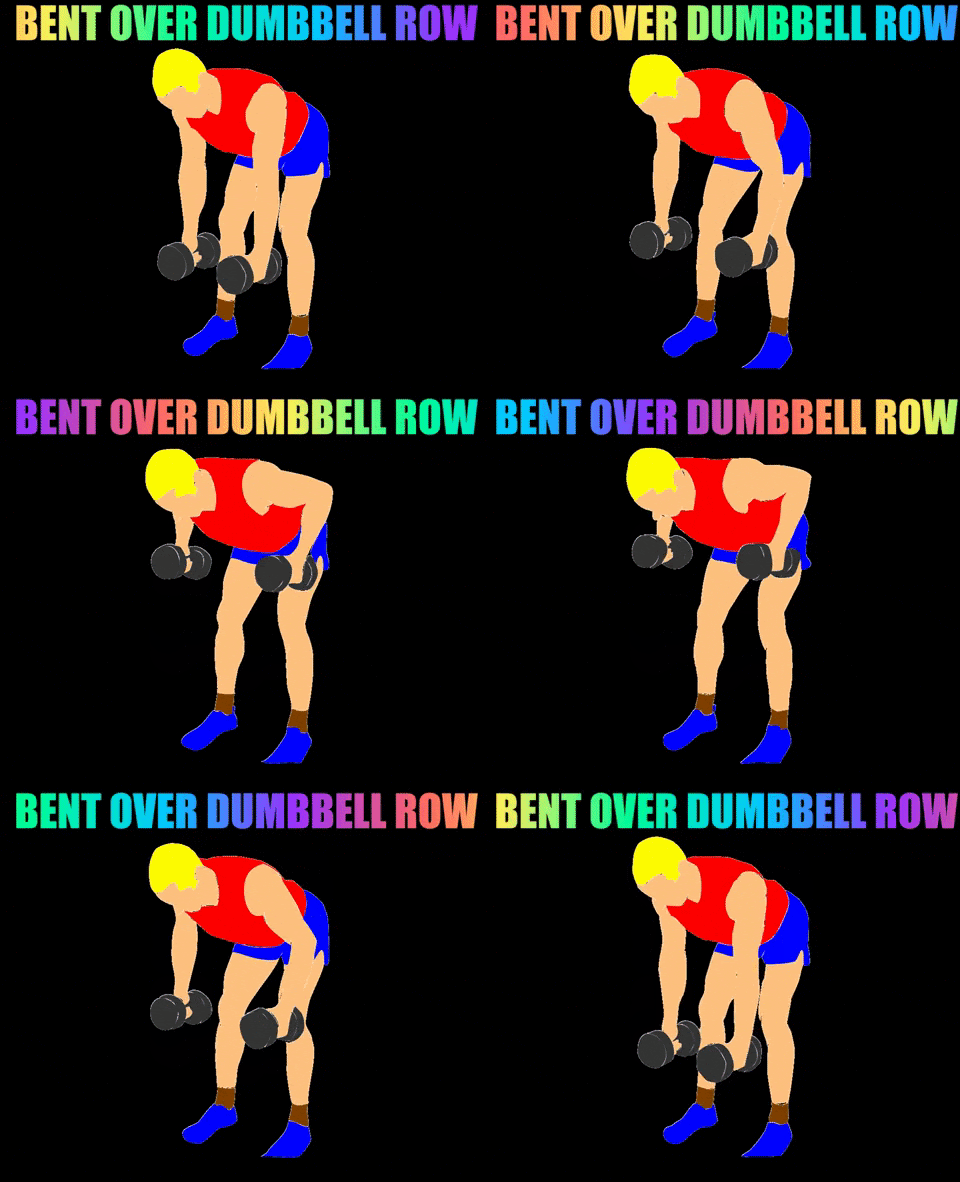
You know that rowing exercises work your upper back and lats, building pulling strength that's essential for good posture and a balanced physique. This movement serves as the perfect counterbalance to all the pushing exercises in this upper body workout.
This exercise is crucial for building muscle in your back and preventing the forward-rounded shoulders that often come from too much chest work and not enough back training.
The chest press targets your chest and shoulders with a controlled range of motion. You can perform this chest workout on a bench or simply lying on the floor, which naturally limits your range of motion and makes it safer for beginners while still effectively working the chest muscles.
This is one of the most effective upper body exercises for building strength in your entire chest and front shoulders. As you progress, you can also incorporate variations, such as the chest fly, to further develop muscle.

This classic isolation exercise builds strength and definition in your biceps, the muscles on the front of your upper arm. While compound movements should form the foundation of your workout routine, targeted arm work helps ensure balanced development.
This arm workout is perfect for building muscle mass in your arms and increasing overall upper-body strength.
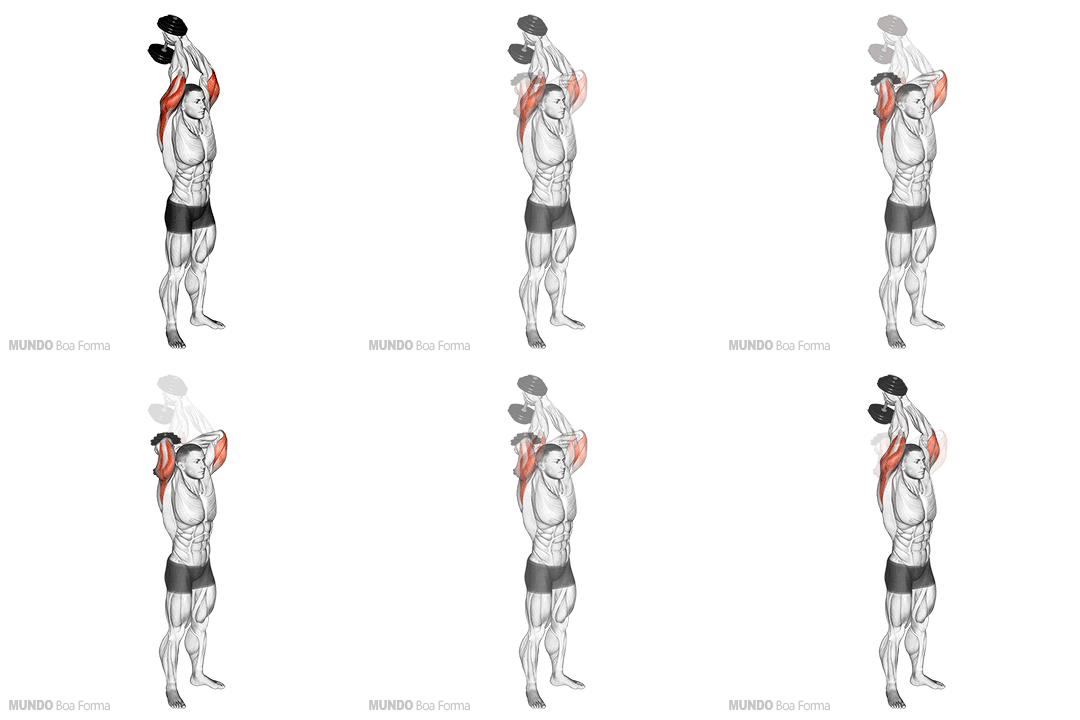
This movement targets the triceps, the muscles on the back of your upper arm, helping to create balanced arm strength and overall upper-body development. Many women neglect triceps work, but these muscles are essential for pressing strength and toned arms.
This exercise complements your other upper-body exercises by ensuring your arms are strong from all angles.
As you become more comfortable with the basic exercises, you might want to add variety to your workout routine:
Lateral Raise:
This isolation exercise targets the side shoulder muscles, creating broader, more defined shoulders. Hold dumbbells at your sides and raise your arms out to shoulder level, forming a "T" shape with your body.
Chest Fly:
Another excellent chest workout movement that targets the chest muscles from a different angle than the chest press, helping build a well-rounded upper chest and overall chest development.
These additional upper-body exercises can be incorporated once you've mastered the fundamental movement patterns in the main workout.
The most important aspect of any exercise is proper form. Moving with control and intention not only prevents injury but also ensures you're actually working the muscle group you're targeting. Don't rush through the movements. Focus on the muscle you're working with each rep, maintaining tension throughout the entire range of motion.
Pay special attention to your starting position for each exercise. Proper setup is crucial for safe, effective lifting. Keep your core muscles engaged throughout every movement, whether you're doing bodyweight exercises or working with dumbbells.
If you're unsure about your form, consider downloading the ChAIron app to dial in your technique. This investment in learning proper form will pay dividends throughout your entire strength training journey
As the weeks go by and the workout starts to feel easier, that's your signal to progress. You can increase the challenge by:
Small, consistent increases over time lead to significant strength gains and muscle mass development. This principle of progressive overload is what transforms a beginner into someone with a powerful upper body.
Consider pairing your upper-body workout with a dedicated lower-body session that includes exercises for your legs and glutes. A well-rounded full-body workout approach will give you the best overall results and functional strength for daily life.
Pro tip: Take progress photos every 4-6 weeks. Visual changes in your physique often appear before the scale moves, especially when you're building muscle while losing fat.
Building upper body strength is a journey, not a sprint. Be patient with yourself, celebrate small victories, and trust the process. Every rep you complete with proper form is making you stronger, and consistency will yield results that might surprise you.
Remember, everyone starts somewhere. The woman at the gym pressing heavy dumbbells overhead once started exactly where you are now with this same beginner-friendly upper body workout for women.
Commit to the process, focus on progressive overload, and enjoy watching yourself become stronger week after week.
Your strong upper body awaits. Now go earn it.
A simple routine can include wall push-ups, knee push-ups, incline push-ups on a table, shoulder taps, tricep dips on a chair, and arm circles done 2–3 times per week. Aim for 2–3 sets of 8–12 reps per exercise with 45–60 seconds rest between sets.
Most beginners do well with 2–3 upper body sessions per week, leaving at least one rest day between sessions. On other days, light walking or lower-body training can help with recovery without overloading the arms and shoulders.
Yes, bodyweight moves like push-ups, dips, planks, and hand-release push-ups are enough to build strength at a beginner level. As these feel easier, slowing the tempo and adding extra sets can keep your muscles challenged.
Full-body routines, 2–3 times per week, are often ideal for beginners because they train the upper, lower, and core muscles in one session. You can then add an extra upper–body–focused day if you want to prioritize arms, shoulders, and back.
Weights are not necessary at first, but simple equipment, such as light dumbbells or filled water bottles, can help once bodyweight moves become easy. Beginners starting with weights can use 1–3 kg dumbbells for presses, rows, and lateral raises while focusing on controlled form.
.png)
.png)