December 23, 2025
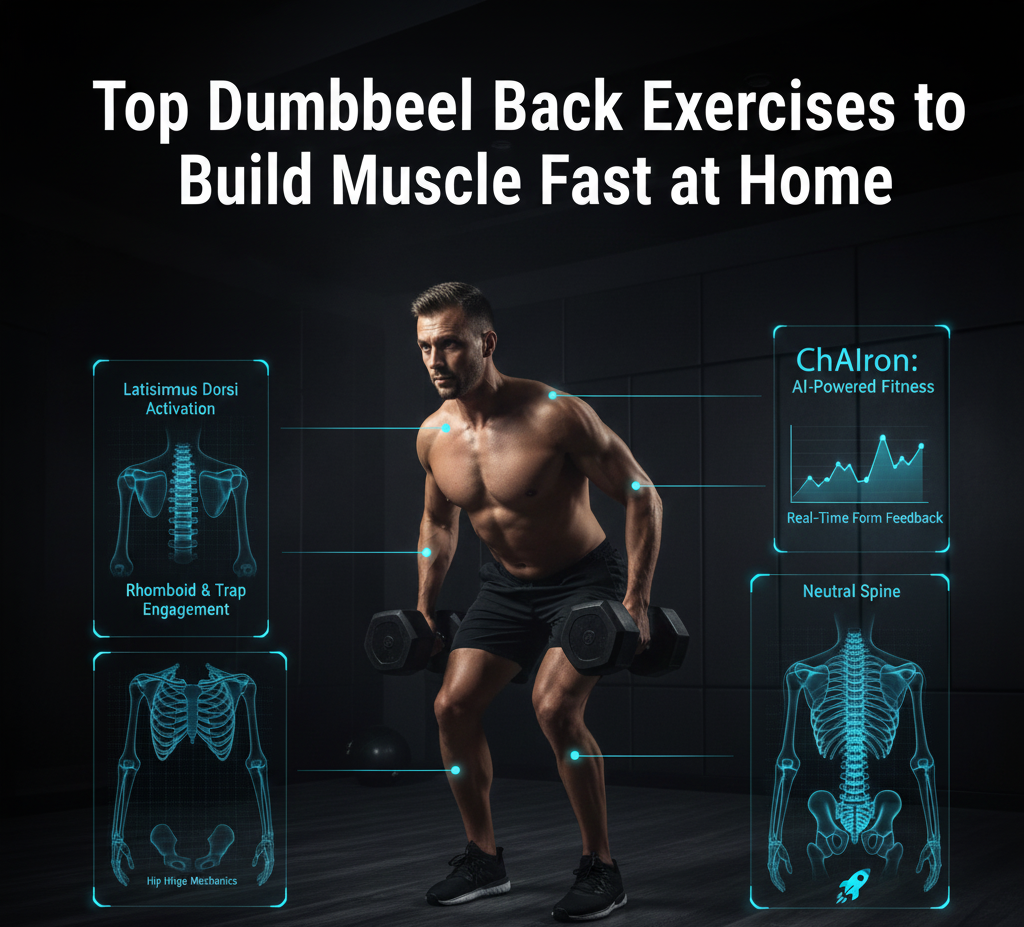
If you’re training at home and want to build a strong back, dumbbells are one of the most effective tools you can use. The right dumbbell back exercises can help you increase muscle mass, improve posture, fix muscle imbalances, and develop serious pulling strength, without needing a barbell or machines.
In this guide, our fitness experts at ChAIron, break down the best dumbbell back exercises for muscle and strength, focusing on movements that train the upper back, lower back, and stabilizing muscles through full ranges of motion.
Whether you’re using fixed weights or adjustable dumbbells, these exercises form the foundation of effective dumbbell back workouts at home.
Back training is about more than aesthetics. A well-designed dumbbell back workout routine improves:
As dumbbells allow unilateral loading, they’re excellent for addressing muscle imbalance and engaging stabilizer muscles that often get overlooked with machines.
But before that, you need to understand the anatomy of your back muscles and their function so that you can know which muscle group you are targeting and why.
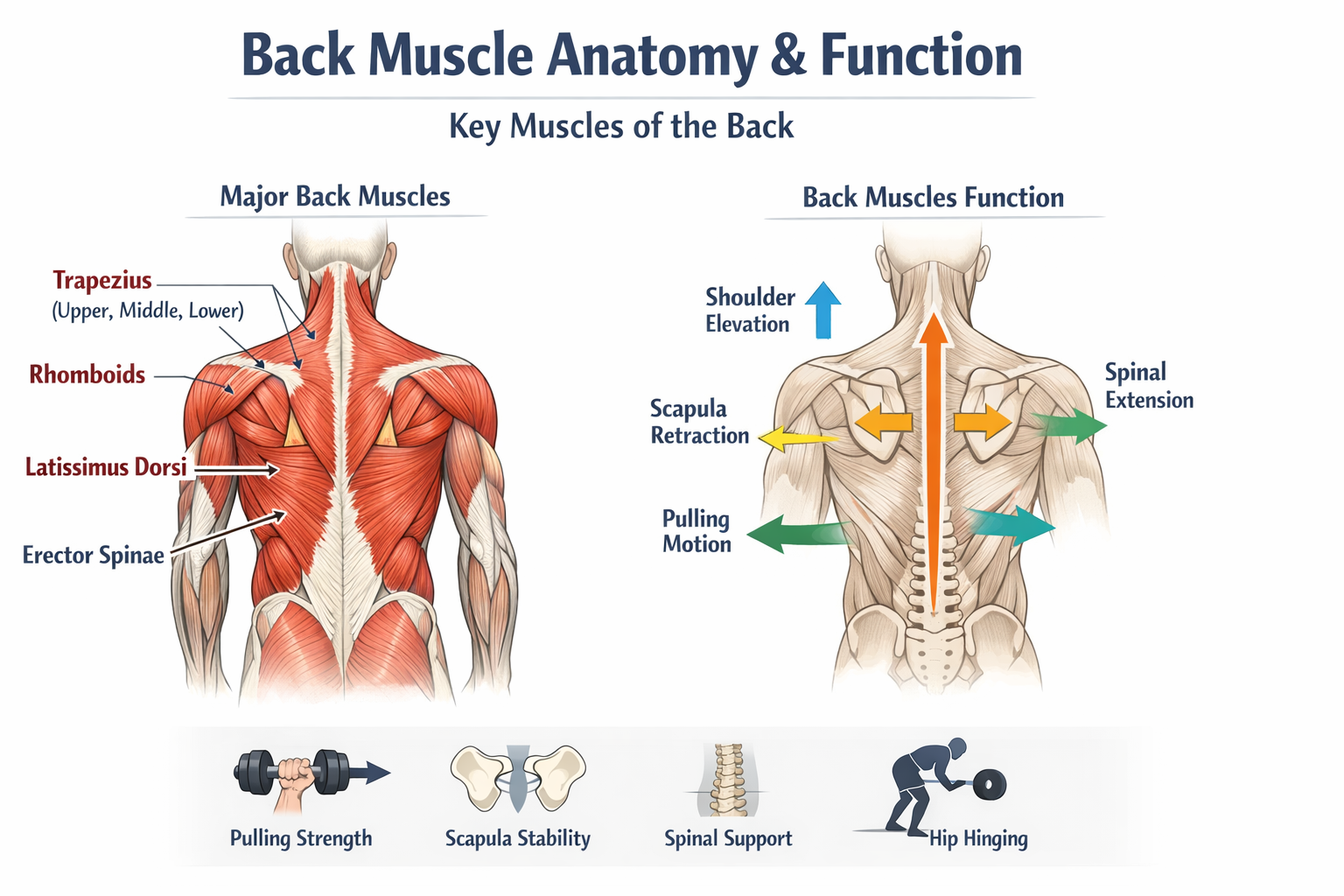
The back is not a single muscle but a coordinated system of multiple muscle groups that work together to support posture, movement, and strength. Understanding how these muscles function helps you train more effectively and build a strong, balanced back.
Training the back effectively means including movements that cover all these functions, hip hinging, horizontal pulling, vertical pulling, and stabilization. When these muscle groups are trained together, they create a back that is not only strong and muscular but also resilient, well-balanced, and functional in everyday movement.
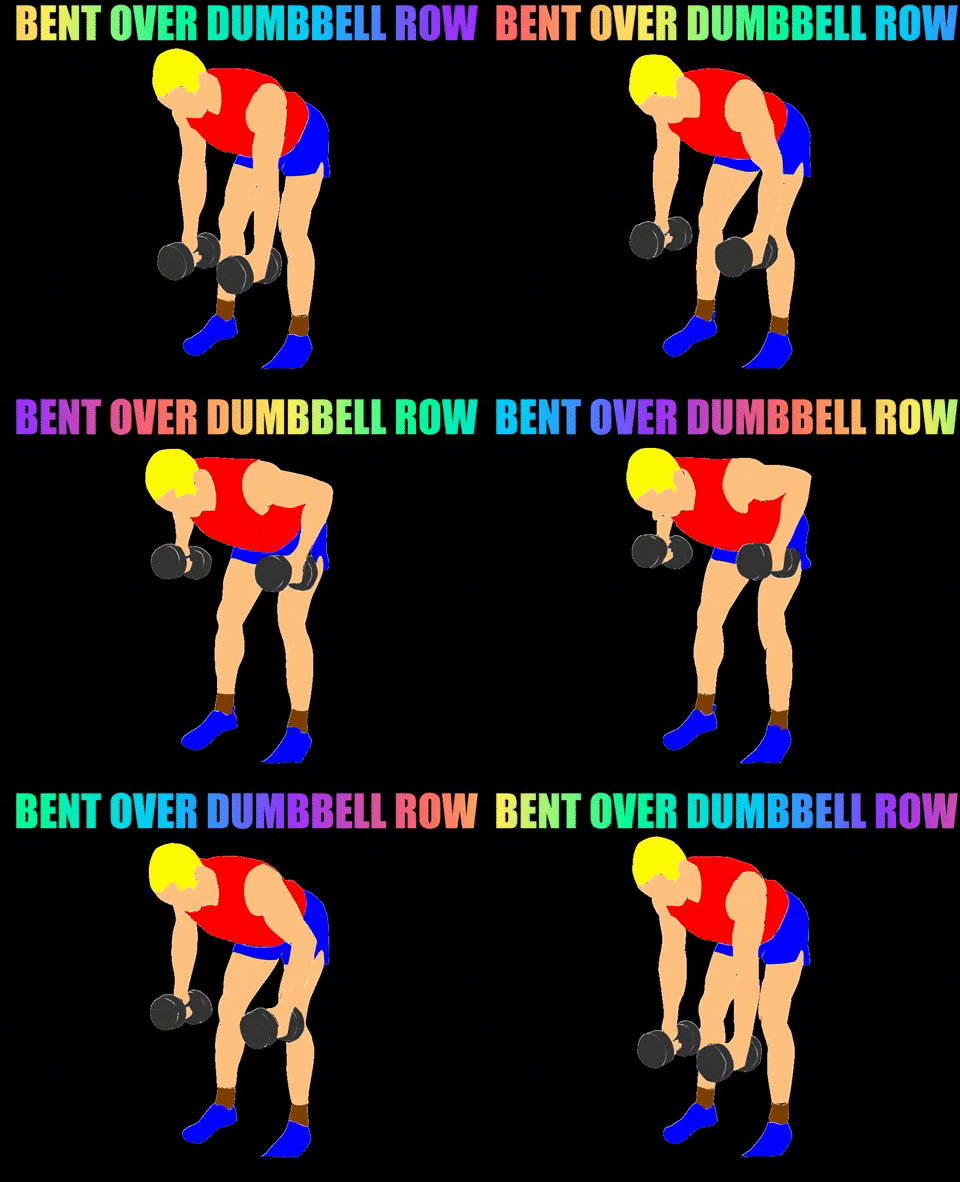
One of the best exercises for total back development, the bent over dumbbell row targets your lats, rhomboids, and trapezius muscle. This workout
This classic dumbbell row is a staple for building a strong back.
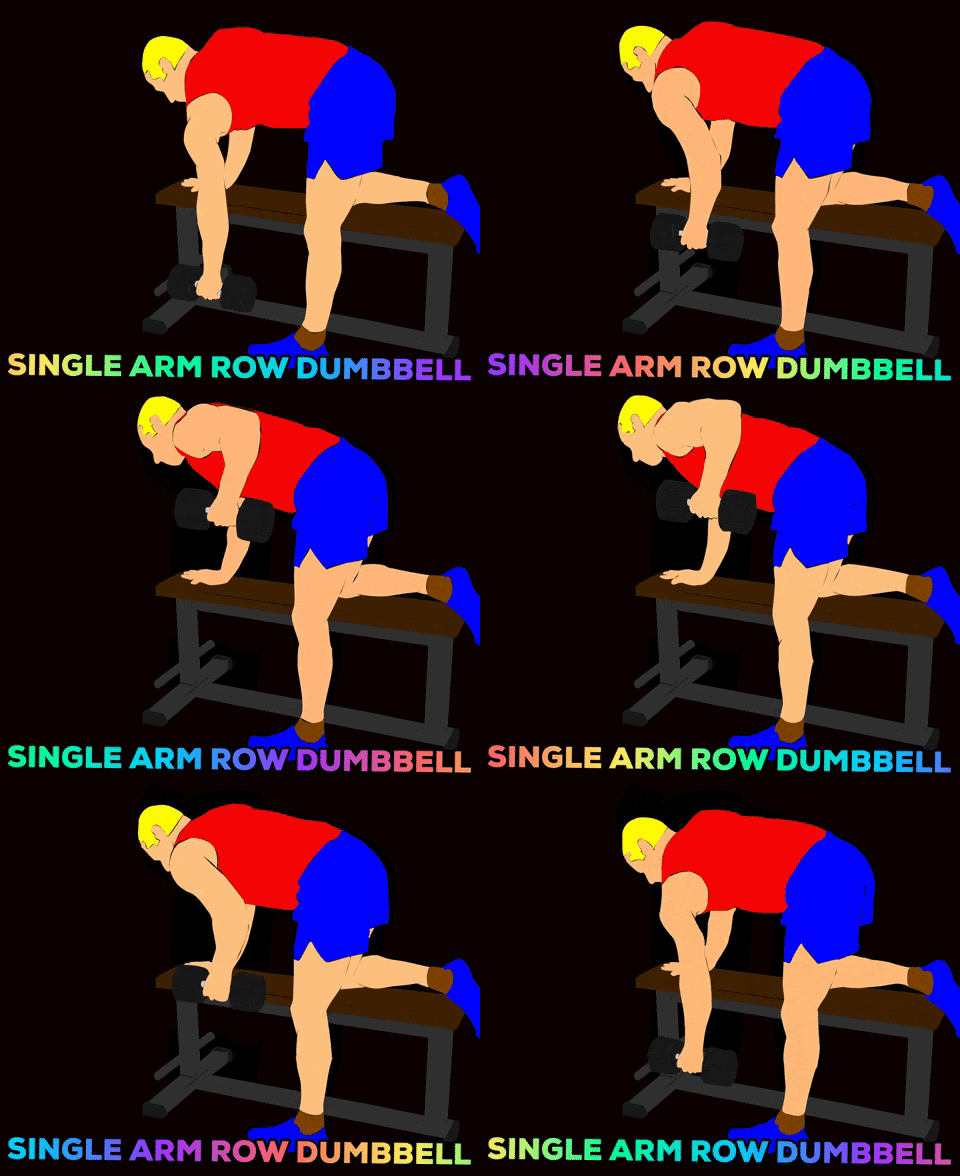
The single arm dumbbell row allows greater focus on each side of the body, making it ideal for correcting muscle imbalance. This workout
Also known as a single arm row, you have to include this if you are serious about your dumbbell back workout sessions.
Using an incline bench, the chest supported dumbbell row removes momentum and reduces lower-back strain. This movement
If you are training frequently, then doing chest supported dumbbell rows will help you gain a sculpted back.
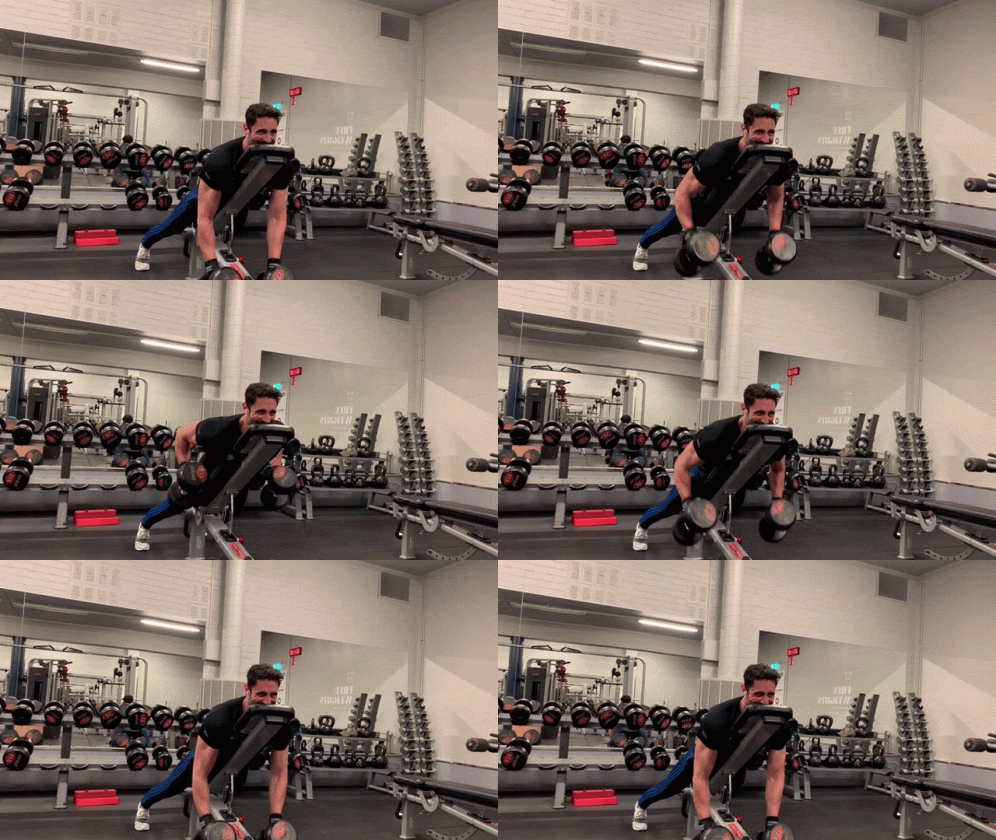
Performed face-down on an incline bench, the incline dumbbell row places constant tension on the upper back. It
This workout is a great option for controlled muscle development.
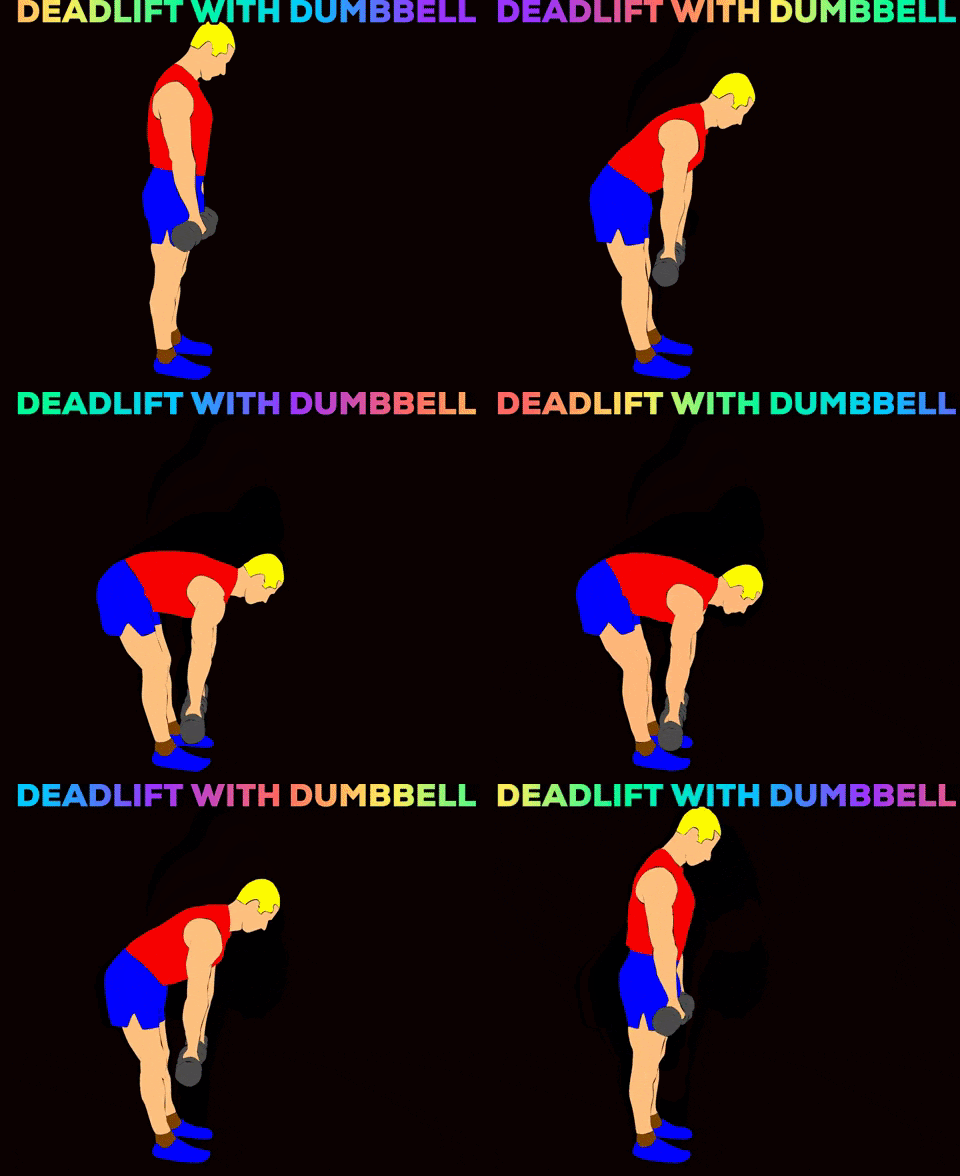
The dumbbell deadlift trains your posterior chain, including glutes, hamstrings, and erector spinae. This workout
Dumbbell deadlift is one of the most important compound dumbbell exercises for back and lower-body integration.
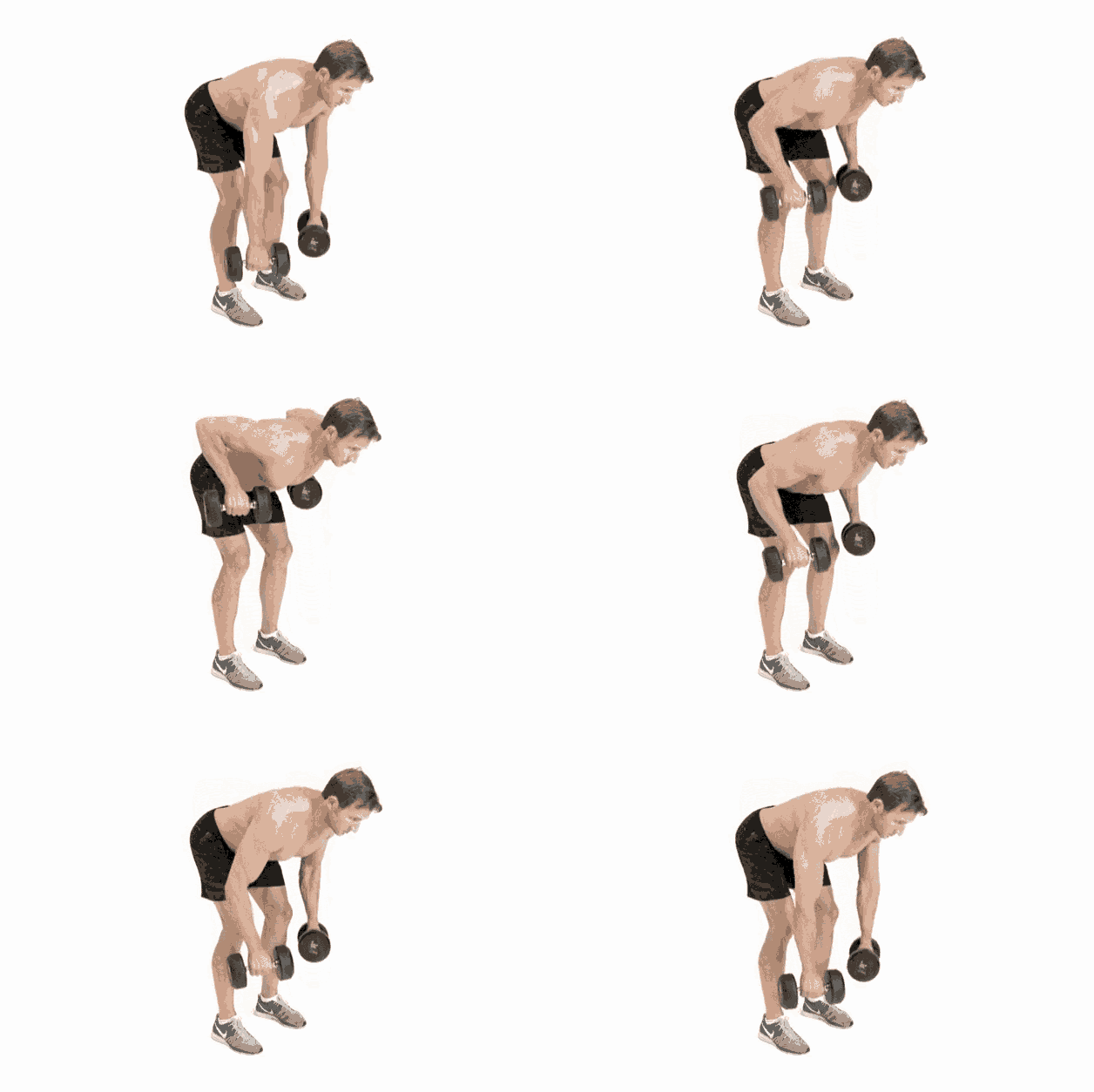
The dumbbell dead row starts from a dead stop, removing momentum and forcing your back to produce power on every rep. This improves pulling strength, reinforces proper hinge position, and helps build better control at the start of the lift. This workout
This hybrid movement fits perfectly into dumbbell back workouts focused on strength.
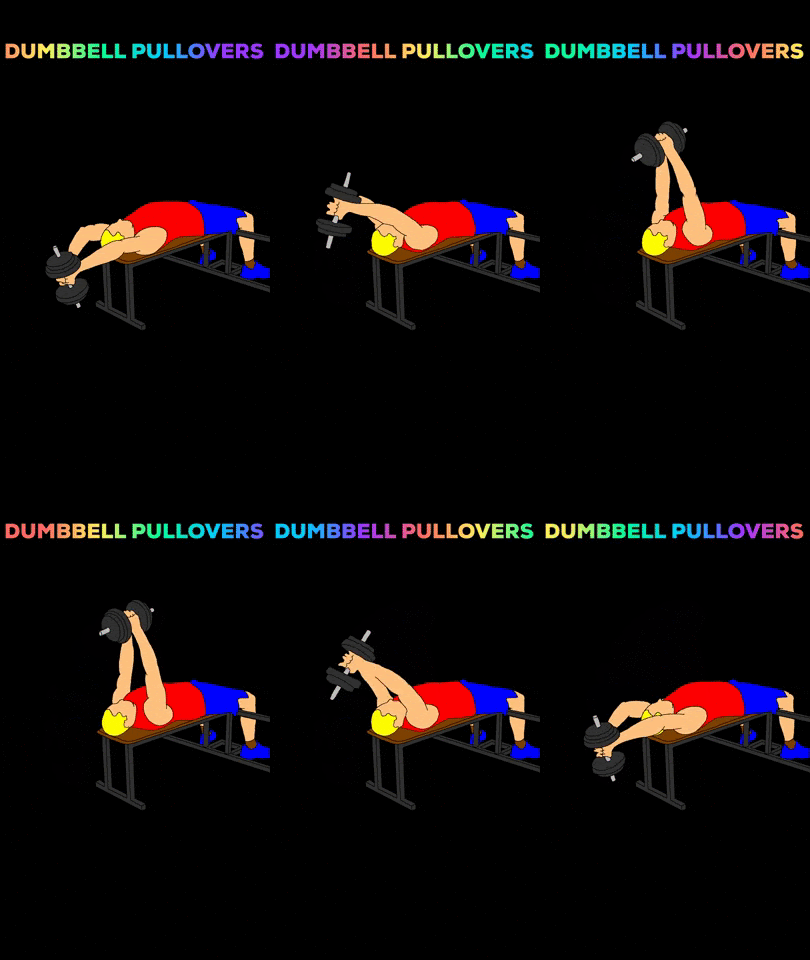
The dumbbell pullover trains the lats while also engaging the chest and core. The dumbbell pullover is a classic hybrid move, it can train the chest, back, and even act as a stretch. The difference comes down to how you perform it.
If you drive your elbows down (not your hands) and focus on pulling with your lats, the pullover becomes a powerful lat stretch and contraction, similar to a straight-arm pulldown, but with your body acting as the cable.
Pullover works best at the end of your back workout, when your lats are already pumped. Perform it on a flat bench or across one for an even deeper stretch.
Pro tip: Think “pull elbows toward ribs,” keep your hips down, and let your lats, not your arms, do the work. This workout
Pullover variations (including dumbbell pullovers) are excellent for long-head lat engagement.
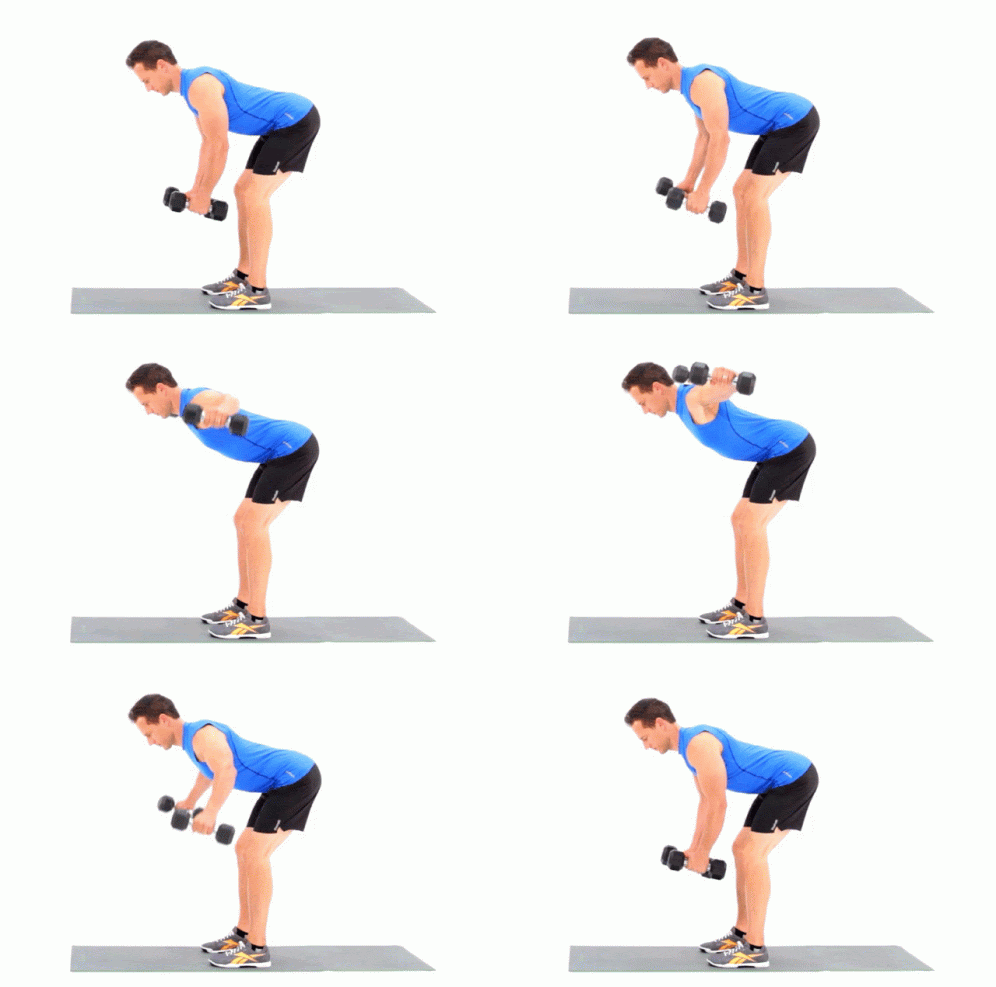
Also called the reverse fly or reverse flye, this movement targets the rear delts and upper back. This exercise
Doing dumbbell reverse fly is essential for a balanced upper-body training.
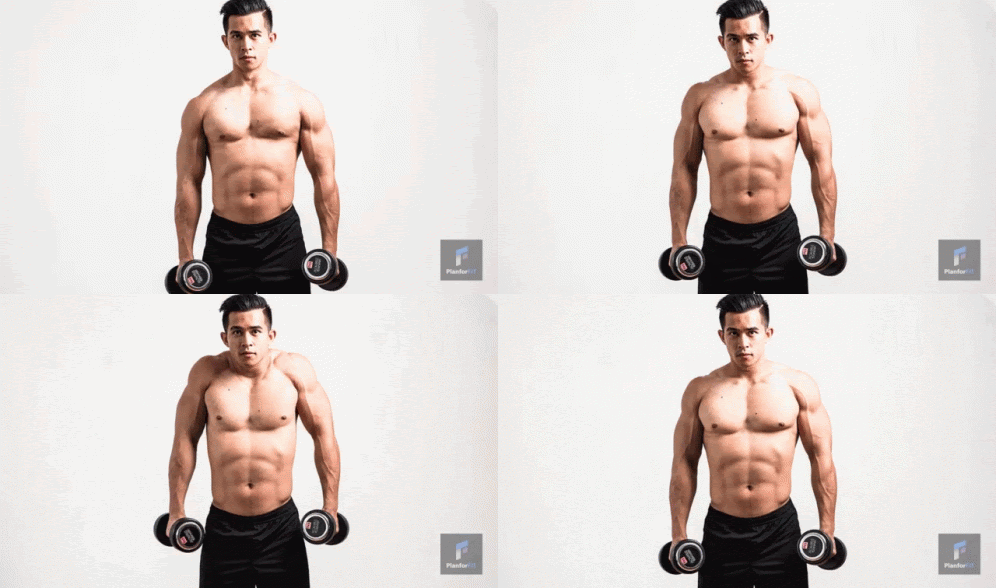
The dumbbell shrug isolates the upper traps and improves neck and shoulder stability.
Both dumbbell shrug and dumbbell shrugs are valuable for trap-focused muscle growth.
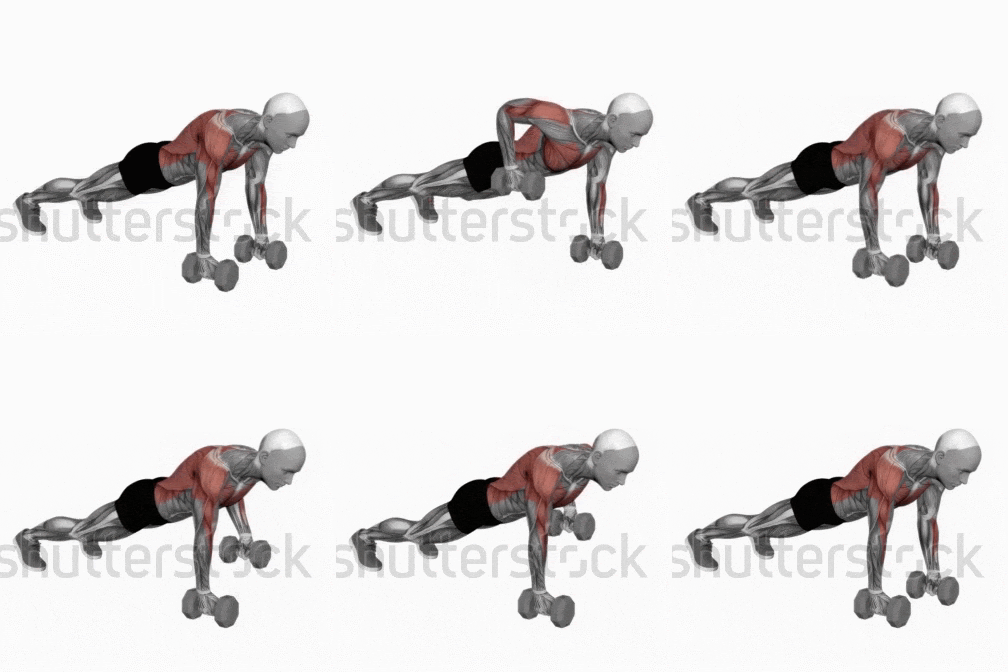
The dumbbell renegade row combines core stability with back strength. This workout
Dumbbell back exercises primarily target the latissimus dorsi, which drive width and give your back its V-taper. They also heavily involve the rhomboids and middle traps, responsible for scapular retraction and upper-back thickness.
Supporting muscles like the erector spinae stabilize your spine during rows and hinges, while the rear delts assist with shoulder extension and posture. Because dumbbells demand unilateral control, your core and grip muscles are constantly engaged, making dumbbell back training as much about balance and stability as it is about strength.
This routine supports building muscle, improving posture, and increasing muscle mass using only dumbbells.
Start your fitness routine with ChAIron for free today
The best dumbbell back exercises don’t require a gym, just smart programming and consistency. Whether you’re training with fixed weights or adjustable dumbbells, these movements allow you to build a resilient, powerful back while supporting long-term strength and muscle development.
If your goal is efficient, scalable dumbbell back workouts at home, this list covers everything you need.
Yes! You can train your back at home with just a pair of dumbbells. Simple exercises like dumbbell rows and deadlifts help strengthen your back muscles without needing any gym machines.
No, a bench is not required. Many beginner-friendly back exercises can be done standing or using one hand for support on a chair or wall, making them easy to do at home.
Yes, dumbbell back exercises are great for women. They help improve posture, reduce back pain, and build strength without making you bulky. You can start with light weights and increase gradually.
Absolutely. Standing dumbbell exercises are safe for beginners when done with proper form and light weights. They also help improve balance and core strength along with back muscles.
Beginners should start with basic movements like rows and deadlifts, focus on good form, and use lighter weights. Consistency matters more than heavy weights when you’re just starting out.
.png)
.png)