January 7, 2026

The Ultimate Dumbbell Chest Workout

Unlike machines, dumbbells force each side of your chest to work independently, improving balance, stability, and muscle activation. When programmed correctly, a dumbbell chest workout can rival or even outperform traditional barbell training for hypertrophy.

Learn how to build a stronger chest with the right dumbbell exercises

A great dumbbell chest workout isn’t about doing more: it’s about choosing the right movements and performing them with perfect form. From presses to fly variations, mastering these exercises helps you activate more muscle fibers, reduce shoulder strain, and see faster results.

A dumbbell chest workout is one of the most effective ways to build strength, size, and muscle control, whether you’re training at home or in the gym. Dumbbells allow a greater range of motion than machines, fix strength imbalances, and activate stabilizing muscles that barbells often miss.

This guide breaks down the best dumbbell chest exercises, how to structure your workout, and complete routines for both home and gym training.
Key takeaways

  1. Dumbbells increase muscle activation, fix left–right imbalances, and are more joint-friendly than barbells while also training stabilizing muscles.​
  2. Using presses and flyes on flat, incline, and floor variations effectively targets overall, upper, and isolated chest development.​
  3. A no-bench routine built around floor presses, push-ups, floor flyes, and close-grip presses can drive beginner-to-intermediate chest growth.​
  4. Structured gym sessions with flat and incline dumbbell presses, flyes, and push-up finishers are ideal for hypertrophy and progressive overload.​
  5. Progressing reps before weight, slowing the eccentric, adding pauses, avoiding common form mistakes, and training near failure are key for continuous gains.

Why Choose a Dumbbell Chest Workout?

Unlike barbells and machines, dumbbells allow your shoulders, elbows, and wrists to move naturally. This freedom improves muscle activation while reducing stress on the joints.

Key benefits of dumbbell chest training:

  • Greater chest stretch and contraction
  • Improved left–right strength balance
  • Better control and stability
  • Easy scalability for home or gym workouts

Whether your goal is muscle growth, fat loss, or functional strength, dumbbells deliver results.

Best Dumbbell Chest Exercises

These movements form the foundation of an effective chest routine.
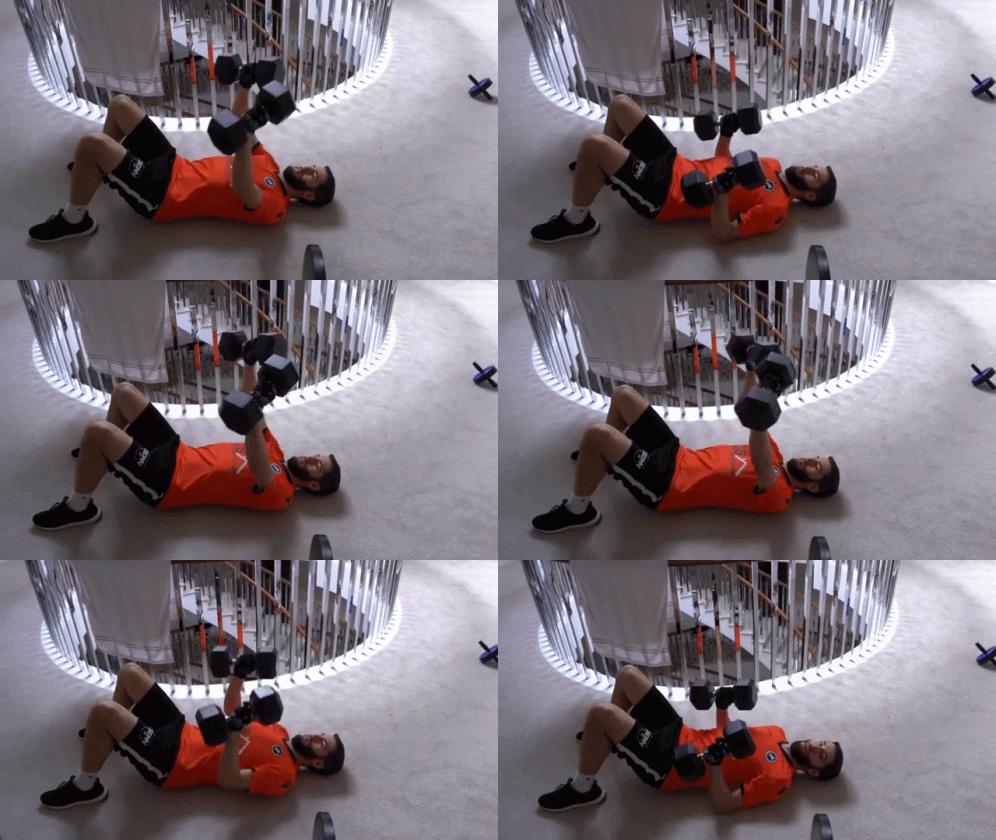
Dumbbell Floor Press

The dumbbell floor press is the home workout staple for chest development. It limits the range of motion slightly compared to bench pressing, but still loads the chest, shoulders, and triceps effectively.

The floor acts as a natural stopping point, making this movement safer for your shoulders and easier to control for beginners.

  • Lie flat on the floor with knees bent. 
  • Press the dumbbells straight up, lower until your elbows touch the ground, then press back up. 
  • Keep your shoulder blades squeezed together throughout.

For a full technique breakdown, check out the Dumbbell Floor Press
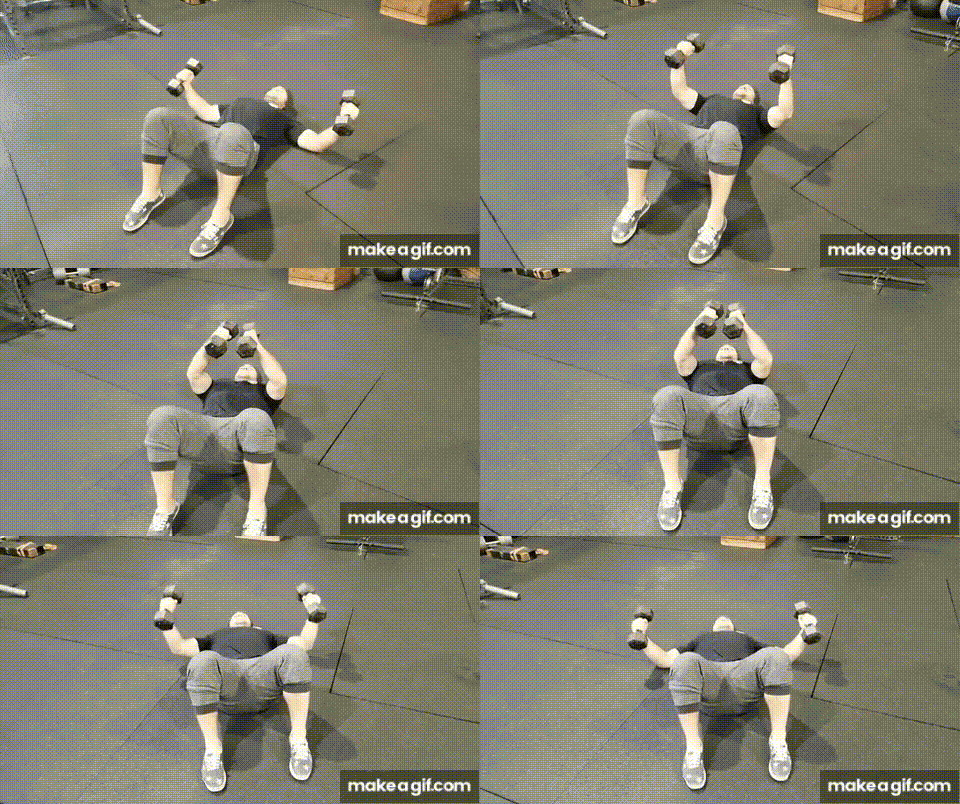
Dumbbell Chest Fly (Floor Version)

The dumbbell chest fly is excellent for increasing time under tension and improving chest stretch. The floor limits range slightly, making it more beginner-friendly while still effectively activating the chest.

  • Lie on your back with dumbbells held above your chest, palms facing each other. 
  • Lower the weights out to the sides in a wide arc until your elbows touch the floor. 
  • Squeeze your chest to bring the dumbbells back together.

Keep a slight bend in your elbows throughout. Don't let the weights drop, but control the descent.

You can learn proper technique here: Dumbbell Chest Fly
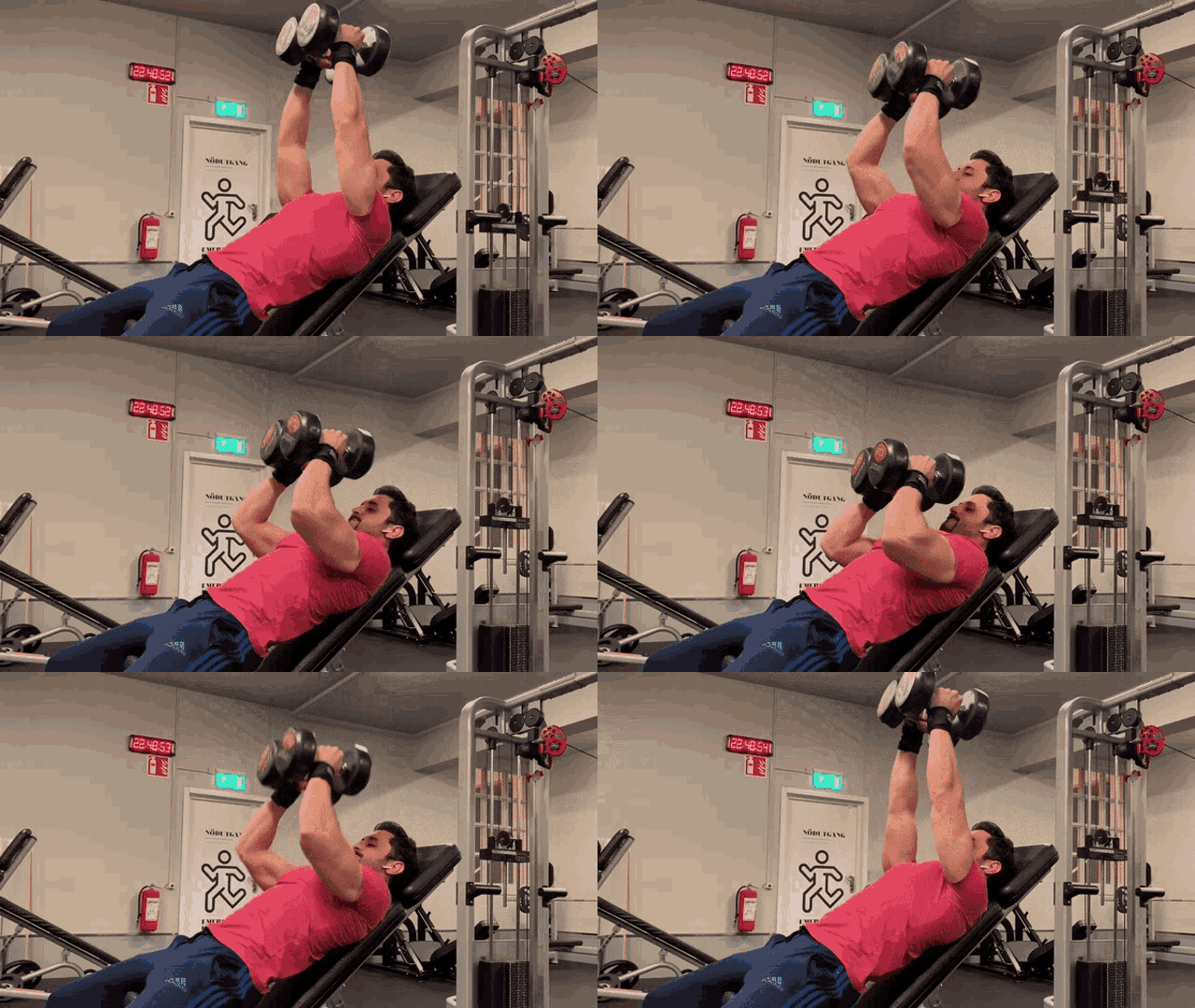
Close-Grip Dumbbell Press

This variation shifts some emphasis toward the inner chest and triceps while still effectively loading the chest.

Press the dumbbells close together throughout the movement to maintain constant tension. The narrower grip increases tricep involvement, making this a great compound finisher.

  • Start with dumbbells touching above your chest. 
  • Lower them together toward your sternum, keeping them close. 
  • Press back up while maintaining contact between the weights.

For additional support work, you can pair this with: Close Grip Push-Up
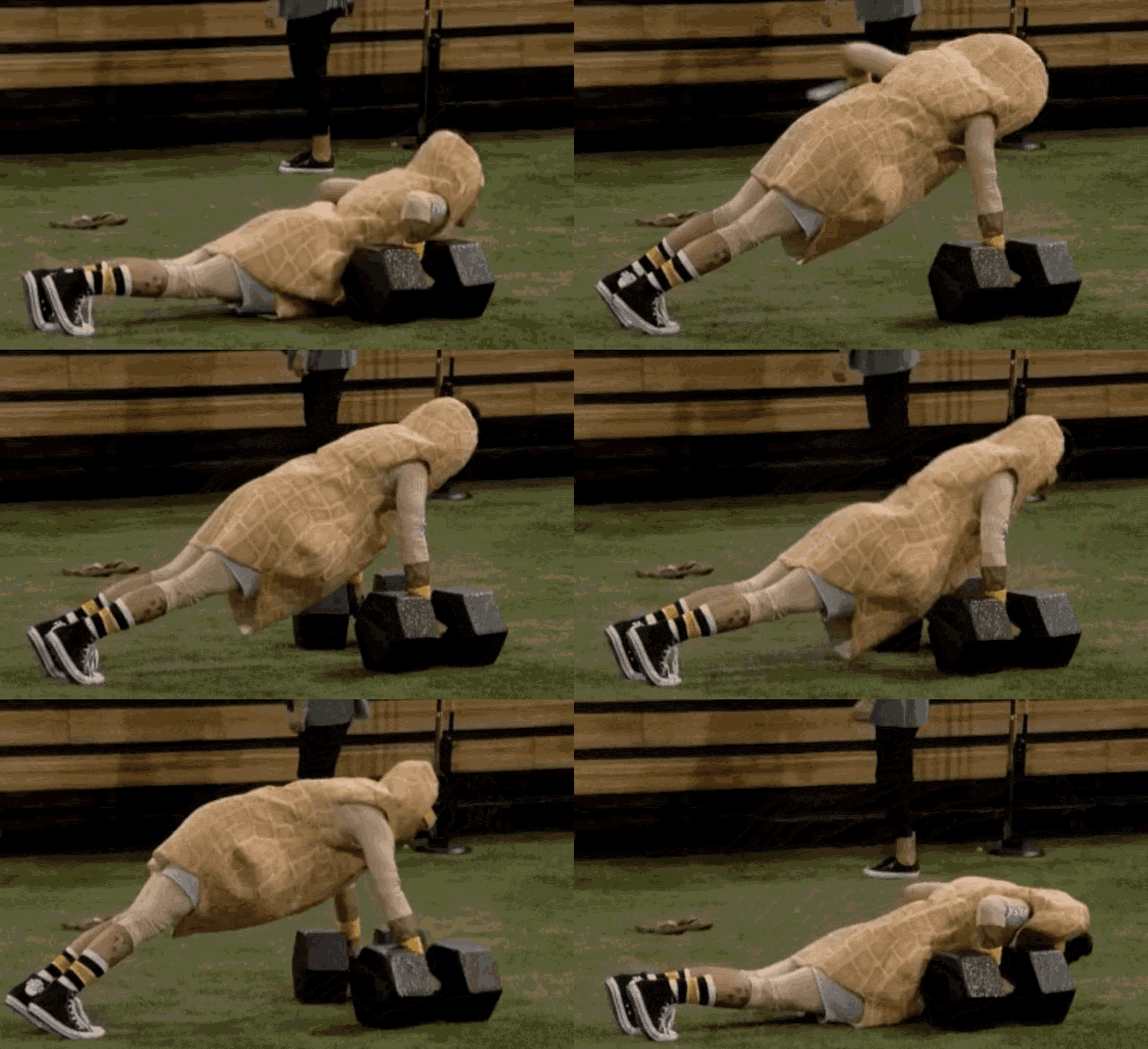
Push-Ups Using Dumbbells

Using dumbbells as push-up handles increases range of motion and allows a deeper chest stretch compared to floor push-ups.

This makes push-ups significantly more effective for chest development. The extra depth recruits more muscle fibers and creates a stronger growth stimulus.

  • Place dumbbells shoulder-width apart on the floor. 
  • Grip the handles and lower your chest below your hands. 
  • Press back up explosively.

If you want to know whether your push-up form is right, you can check out our complete push-up form guide here: Push-Up.
Dumbbell Chest Workout at the Gym

If you are a gym rat or want to train in a gym to access benches and heavier weights, we have the perfect dumbbell chest workout for gyms guide for you
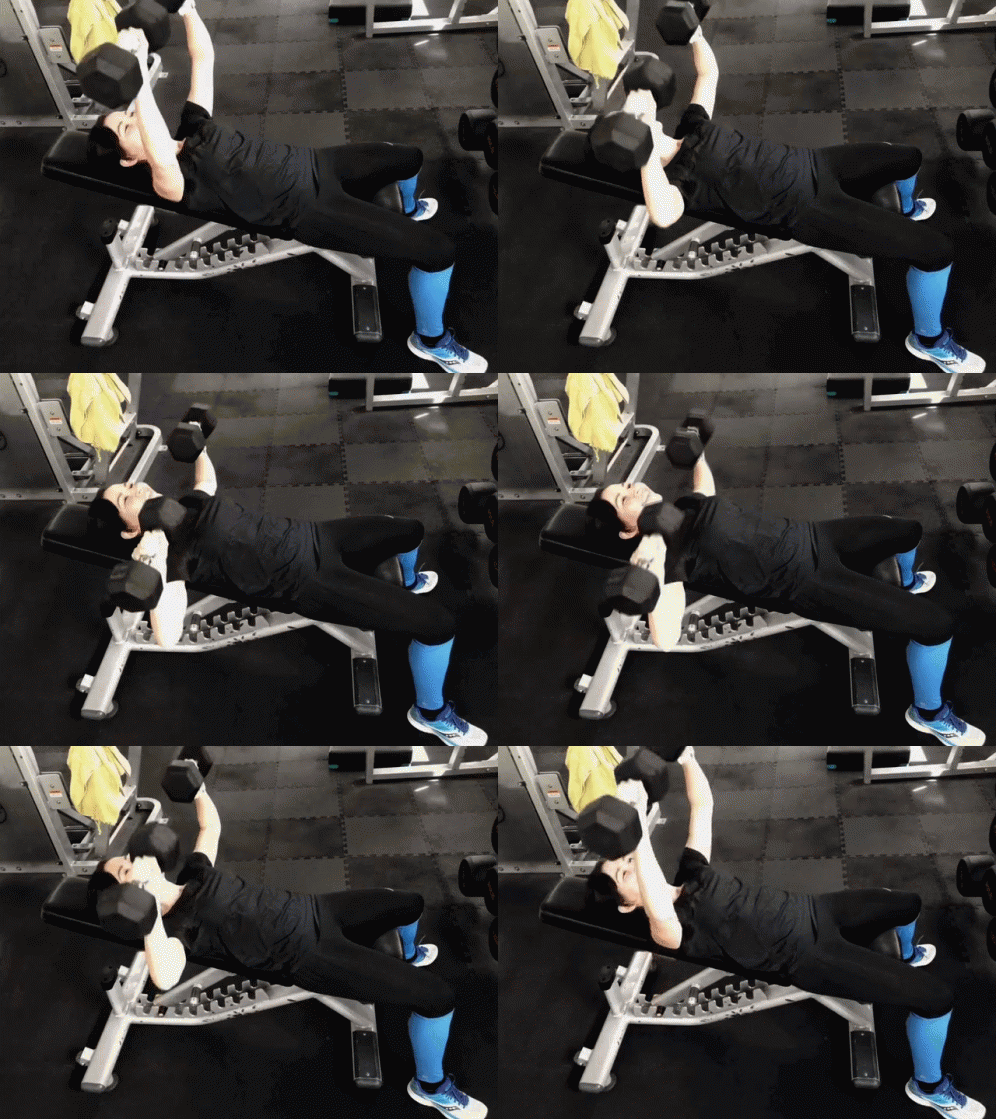
Flat Dumbbell Bench Press

The flat dumbbell bench press is one of the best mass-building exercises for the chest. Compared to barbells, dumbbells allow a deeper stretch and better muscle activation.

  • Lie on a flat bench with dumbbells at chest level. 
  • Press them straight up until your arms are fully extended
  • Lower with control until you feel a stretch in your chest.

This movement complements the classic Bench Press (Barbell)
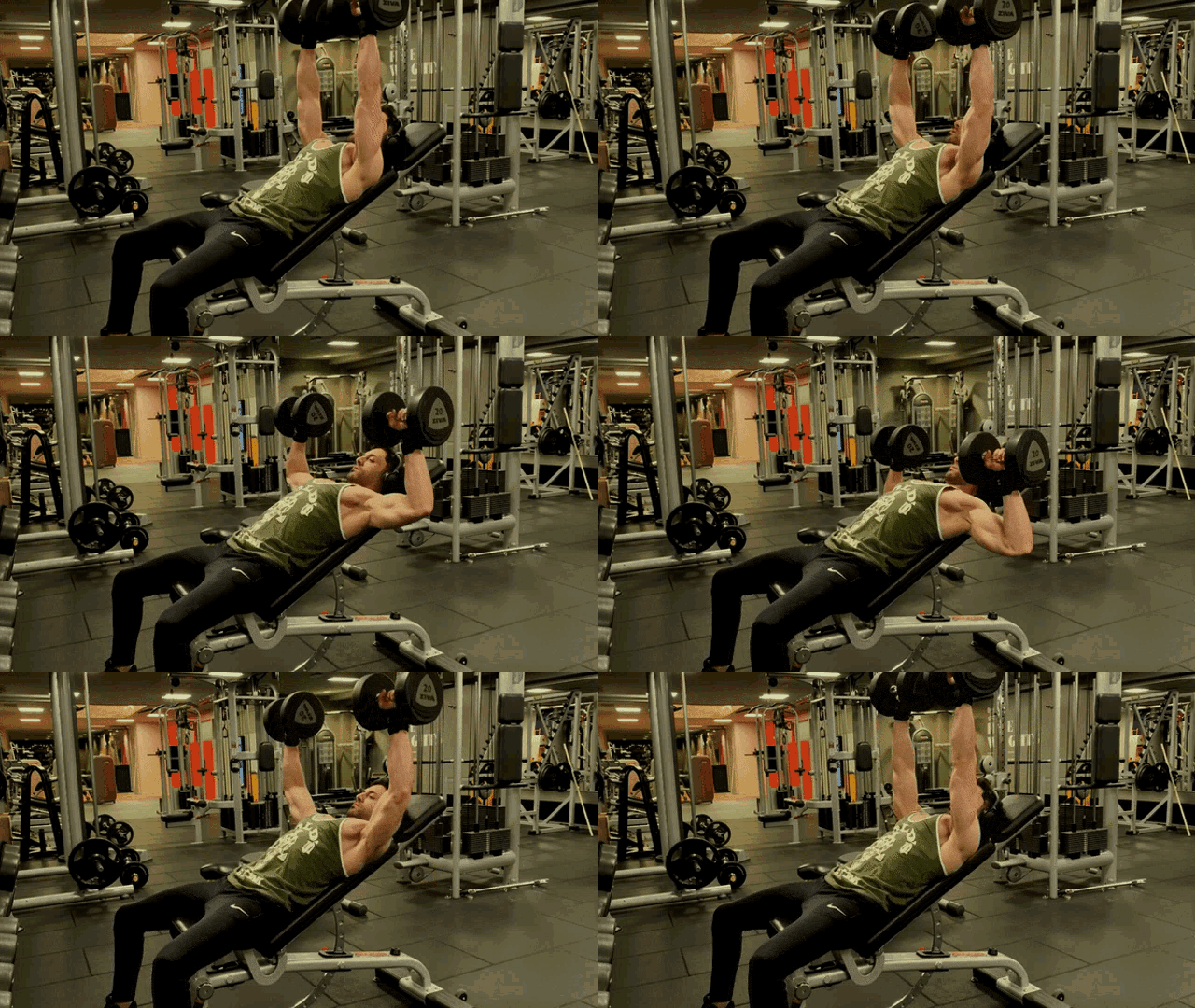
Incline Dumbbell Press

If you want to build your upper chest, incline dumbbell presses are essential. They target the clavicular head of the chest while engaging the shoulders.

  • Set the bench to 30-45 degrees. 
  • Press the dumbbells up from chest level
  • Focus on driving through your upper chest rather than your shoulders.

You can learn more about the proper incline pressing form here: Incline Dumbbell Press
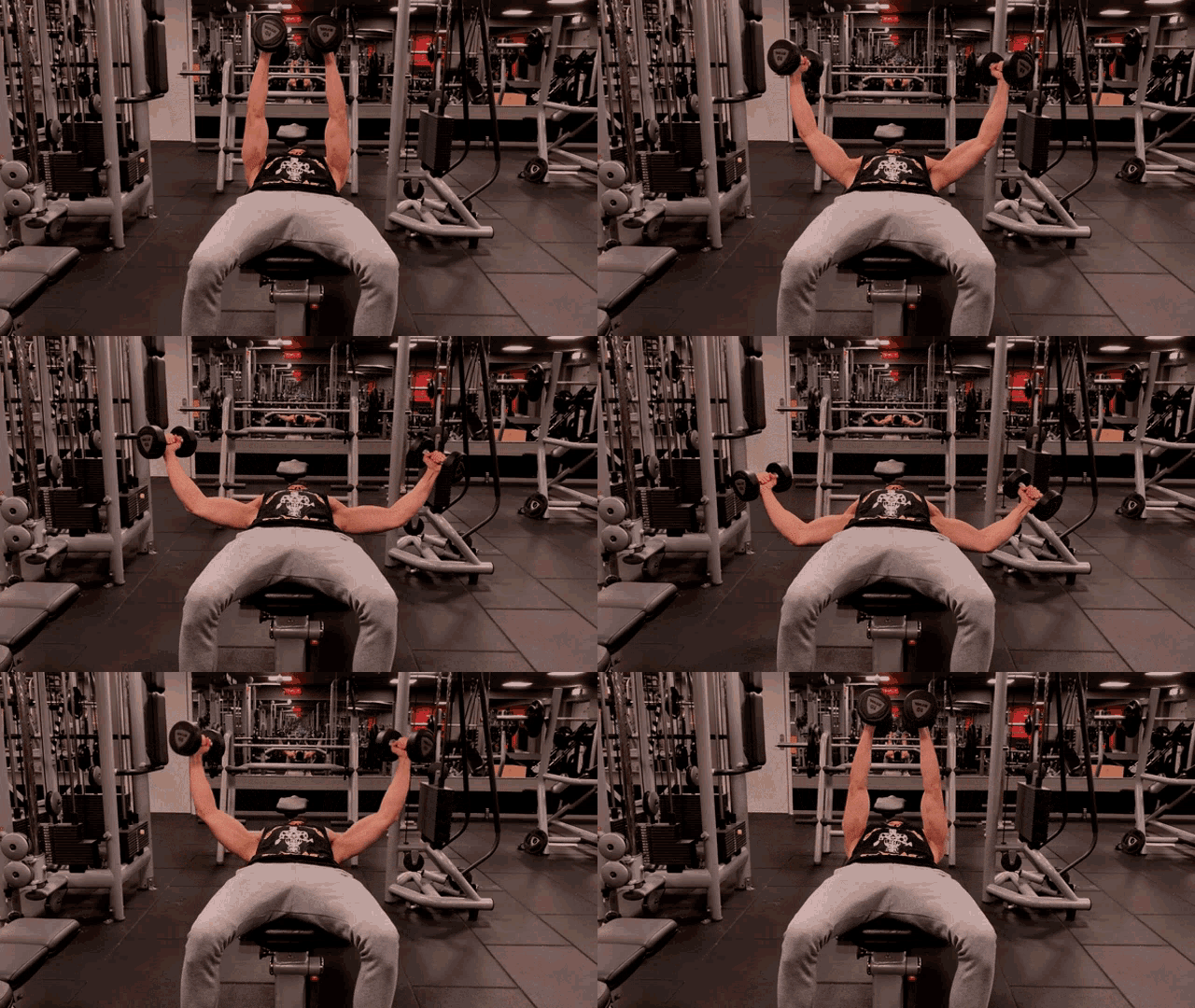
Dumbbell Chest Fly (Bench Version)

Performing chest flies on a flat or incline bench increases range of motion and places consistent tension on the chest.

This is one of the best exercises for improving chest shape and muscle control. Flies isolate the chest without heavy tricep involvement, making them ideal for hypertrophy work.

  • Lie on a flat bench with dumbbells extended above your chest.
  • Lower them out to the sides with a slight bend at the elbow, feeling the stretch across your chest.
  • Squeeze back to the starting position.

If you want the right way to learn this, you can check out our complete guide on doing Dumbbell Chest Fly
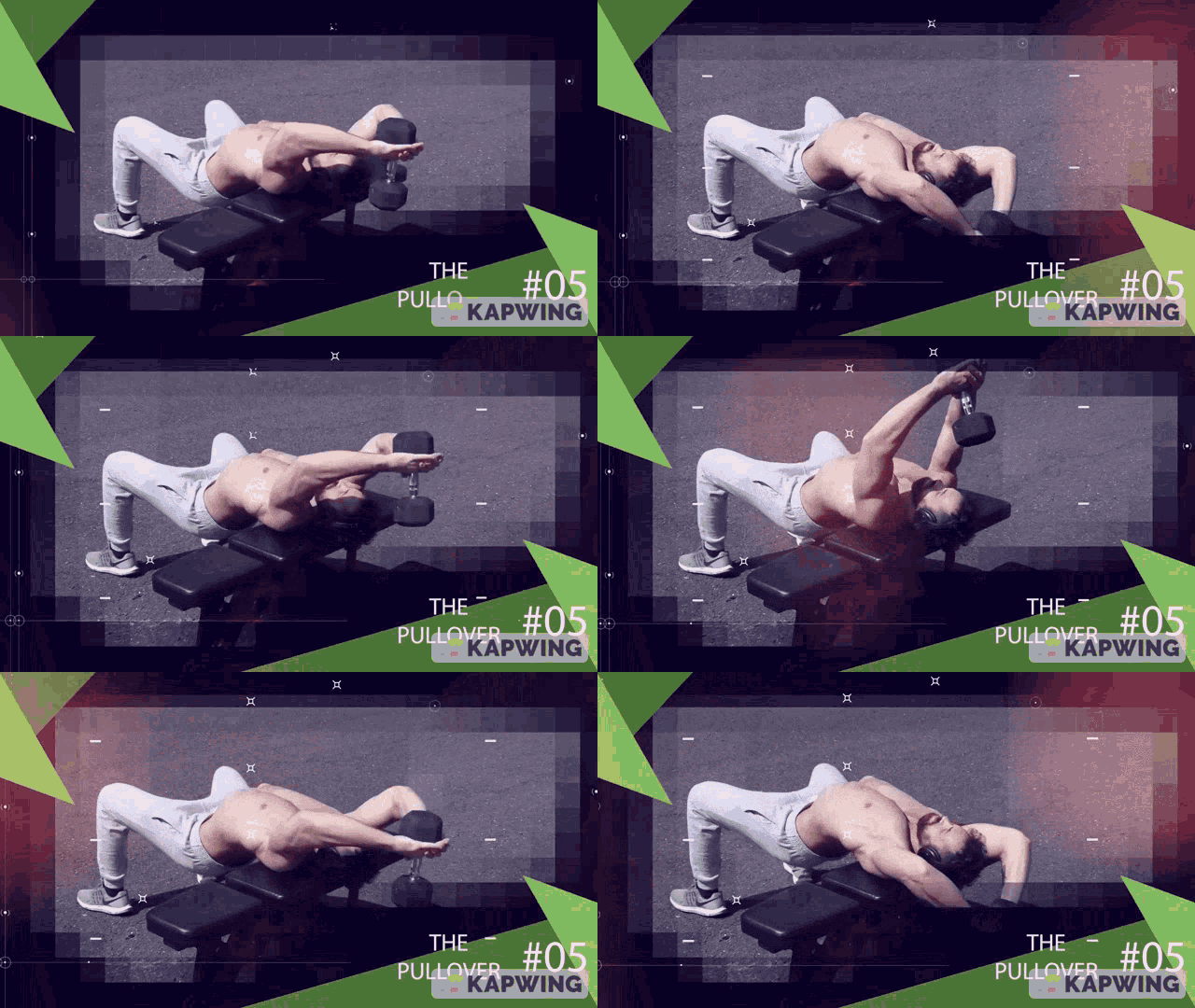
Dumbbell Pullover (Chest-Focused)

The dumbbell pullover targets the chest, serratus anterior, and upper rib cage. When performed correctly, it adds depth and thickness to the upper torso.

  • Lie perpendicular across a bench with only your upper back supported.
  • Hold one dumbbell with both hands above your chest.
  • Lower it back overhead in an arc until you feel a stretch, then pull it back up using your chest.

For better results, you can pair this movement with Cable Pullover

Sample Dumbbell Chest Workouts

Beginner Dumbbell Chest Workout

Exercise Sets × Reps
Dumbbell Floor Press 3 × 10
Dumbbell Chest Fly 3 × 12
Push-Ups 3 × AMRAP

Intermediate Dumbbell Chest Workout

Exercise Sets × Reps
Flat Dumbbell Bench Press 4 × 8
Incline Dumbbell Press 3 × 10
Dumbbell Chest Fly 3 × 12
Close-Grip Push-Ups 2 × AMRAP

Advanced Dumbbell Chest Workout

Exercise Sets × Reps
Heavy Dumbbell Bench Press 5 × 5
Incline Dumbbell Press 4 × 8
Slow-Tempo Dumbbell Fly 3 × 12
Dumbbell Pullover 3 × 10

How Often Should You Train Chest With Dumbbells?

For most people:

  • 2 times per week works best for muscle growth
  • Allow 48–72 hours of recovery between chest sessions
  • Focus on progressive overload and clean form

Quality reps matter far more than chasing heavier weights.

Want Smarter Dumbbell Chest Training?

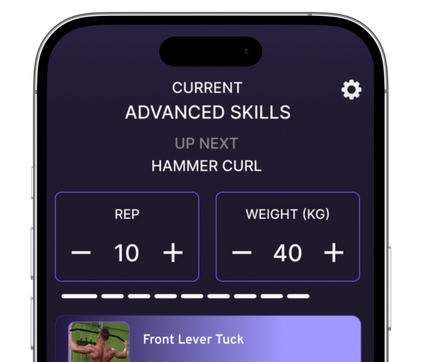
ChAIron helps you perform these dumbbell chest workouts with real-time AI form feedback, rep tracking, and adaptive progression, so you train safely and see results faster, whether you’re at home or in the gym.

Final Thoughts: Build Your Chest With Dumbbells Anywhere

A well-structured dumbbell chest workout can deliver the same or better results than machine-based training. Whether you train at home or in the gym, dumbbells give you flexibility, safety, and serious muscle-building potential.

Focus on:

  • Controlled reps
  • Full range of motion
  • Progressive overload

And your chest will develop.

Frequently Asked Questions

1. How often should I train my chest with dumbbells?
Most people see great results training chest 2 times per week with at least 48–72 hours of recovery between sessions for proper muscle growth and joint recovery.

2. Can I build a big chest with only dumbbells at home?
Yes, exercises like dumbbell floor press, floor flyes, close-grip dumbbell press, and push-ups using dumbbells are enough to build size and strength without a bench.

3. Are dumbbells better than machines and barbells for chest?
Dumbbells allow a greater range of motion, improve left–right balance, and are more joint-friendly because your shoulders, elbows, and wrists can move naturally.

4. What’s the best rep range for dumbbell chest hypertrophy?
Moderate rep ranges like 8–15 reps per set, with controlled tempo and sets taken close to failure, work best for muscle growth in these dumbbell movements.

5. How should I progress my dumbbell chest workouts over time?
Progress reps before increasing weight, slow down the lowering phase, use pauses, and focus on clean form to keep overloading the chest safely week after week.

Why This Dumbbell Chest Workout Actually Works

This dumbbell chest workout works because it prioritises movement quality, control, and adaptability, not just load. Dumbbells allow a more natural range of motion, letting each side work independently and reducing unnecessary joint stress. Instead of locking you into fixed paths, this approach encourages smarter pressing mechanics and better long-term progress, which is exactly how ChAIron programmes strength: clean reps, efficient movement, and sustainable gains.

Train Chest Anywhere With Dumbbells Only

One of the biggest advantages of a dumbbell chest workout is flexibility. Whether you’re training at home, in a crowded gym, or while traveling, dumbbells allow you to hit your chest effectively without machines or barbells.

Master Your Fitness Journey – Read More